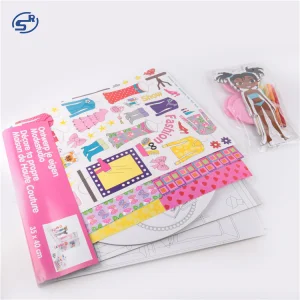
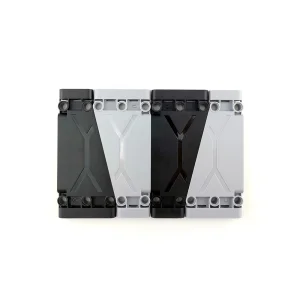
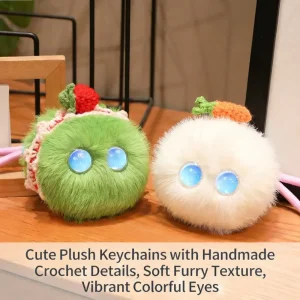
Explore our core manufacturing line of smart programming educational toys, Montessori-inspired wooden resources, and early sensory items.
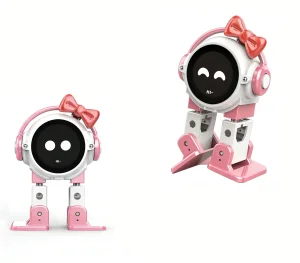
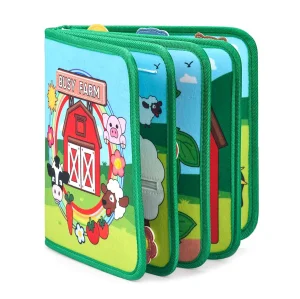
The global educational technology sector is undergoing an unprecedented paradigm shift. Modern curricula (such as NGSS in the United States and computational thinking frameworks globally) have integrated robotics and hands-on coding from the early stages of education. This shift has driven a massive surge in demand for reliable B2B suppliers of STEM robotics kits who can balance cutting-edge components with structural resilience and stringent child-safety certifications.
For B2B procurement managers, sourcing quality STEM robotics is no longer just about locating low-cost parts. It is about identifying manufacturers with specialized technical expertise, vertically integrated production capacities, and the engineering agility required to support custom firmware, visual block programming (such as Scratch and Python integrations), and sophisticated hardware kits.
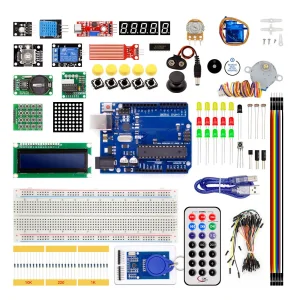
When assessing suppliers of electronics starter kits, programmable robotic arms, and IoT learning modules, enterprise procurement managers must evaluate several critical pillars:
In search quality terms, semantic user intent for high-volume B2B terms in educational tech is highly focused on compliance reliability, factory volume capacity, and OEM/ODM capabilities. Global importers require verified technical documentation to navigate local border controls, making transparency regarding raw materials, microprocessors, and safety testing a primary factor in establishing domain authority.
A professional educational toy manufacturer specializing in STEM learning toys, Montessori-inspired products, and early childhood development solutions.
Based in Dongguan, Guangdong Province, China—a premier manufacturing center with a highly mature supply chain and efficient global logistics infrastructure—Dongguan Bully Toy Co., Ltd. integrates product design, research and development, mold manufacturing, production, quality assurance, and international sales under one roof. Our facility utilizes advanced manufacturing equipment and strict quality management systems to guarantee product safety, durability, and compliance with international standards.
Our comprehensive production footprint includes dedicated injection molding workshops, high-speed SMT assembly lines for electronic components, raw material testing facilities, and multi-tier assembly lines optimized for both mass production runs and smaller, highly customized trial orders. This setup allows us to maintain strict quality control and offer competitive lead times.
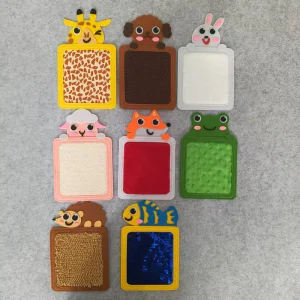
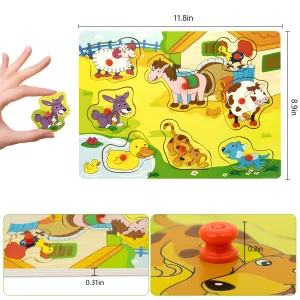
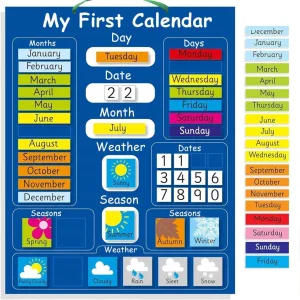
To support global educational brands, B2B distributors, and retail organizations, Bully Toy manufactures a wide range of developmental items designed to foster critical thinking and hands-on learning:
Why sourcing from Dongguan optimizes development cycles, component costs, and prototyping iterations.
Dongguan sits at the heart of the world's most advanced electronics hardware manufacturing cluster. The direct proximity to electronic component suppliers allows us to source sensors, microprocessors, LCD modules, gearboxes, and wiring harnesses with minimal transit delays, keeping component costs stable and procurement pipelines secure.
Unlike factories that outsource tooling, Bully Toy manages mold design and manufacturing in-house. This capability dramatically reduces the iteration time from design revisions to pilot production, enabling precise structural modifications for custom components like ABS plastic gearboxes and non-standard mounting hardware.
Situated within the Pearl River Delta shipping network, our facility offers easy access to major container ports in Shenzhen, Guangzhou, and Hong Kong. This provides logistics flexibility, offering multiple ocean, air, and multimodal freight options to ensure timely global distribution.
STEM robotics toys are sophisticated educational tools that must meet demanding consumer product safety regulations worldwide. Compliance and quality assurance are integral to our manufacturing philosophy at every stage of the production cycle.
Dongguan Bully Toy Co., Ltd. implements robust testing to meet international market requirements. All products are designed and manufactured to comply with key standards, including:
To maintain high compliance standards, our quality assurance team conducts standard stress and safety evaluations on-site, including:
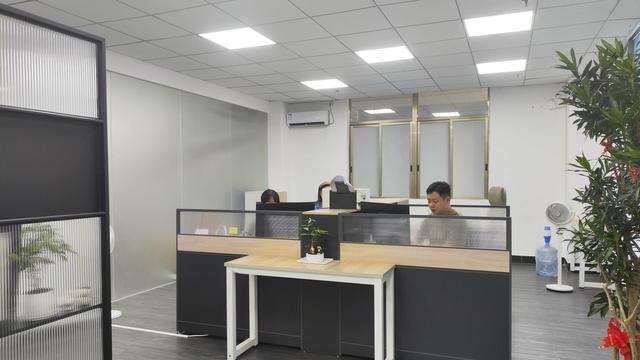
Inside Dongguan Bully Toy Co., Ltd. — showcasing our production, assembly, mold development, and packaging facilities.
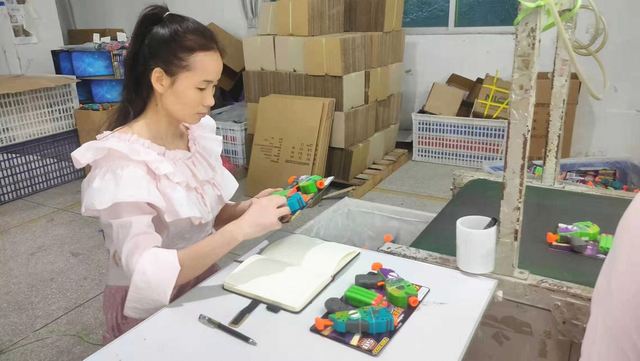
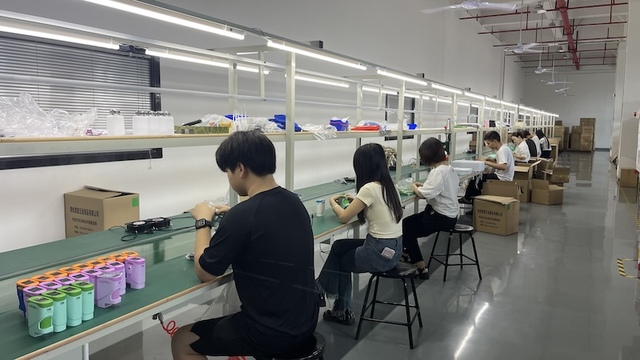
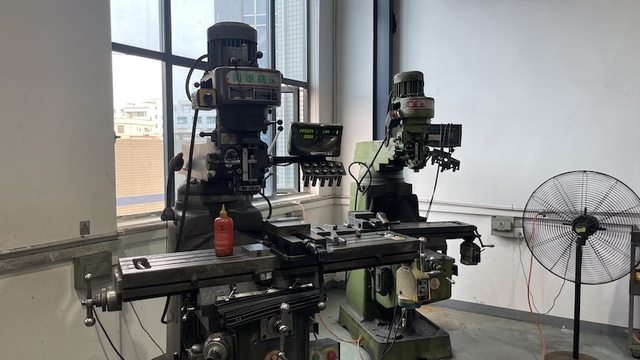
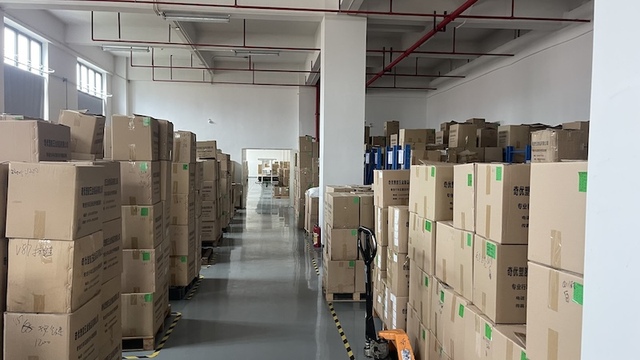
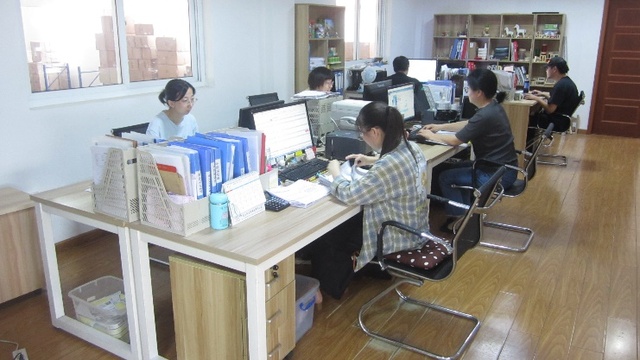
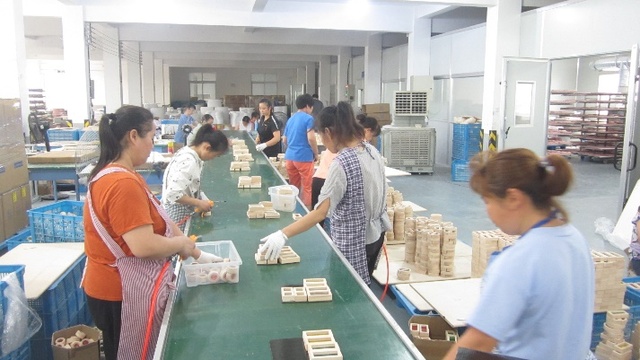
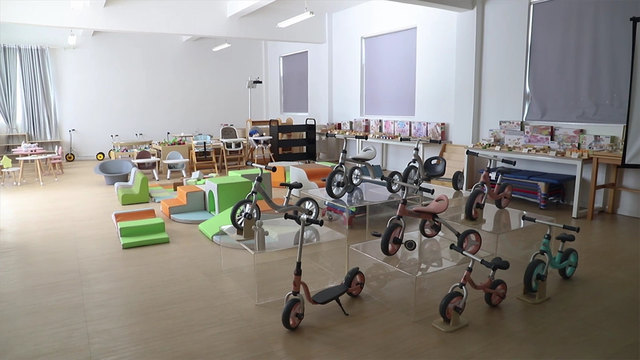
How we partner with global educational brands to deliver custom hardware, tailored firmware, and branded packaging.
Collaborative engineering to refine structural drawings, PCB trace layouts, component specifications, and user interfaces.
Creating physical prototypes using high-precision 3D printing, CNC machining, and manual PCB assemblies to test functional specifications.
In-house tooling department designs and mills production-grade steel molds for injection molding, ensuring high repeatability.
Continuous automated production runs combined with in-line function testing, calibration, custom branding, and shipping preparation.
The STEM robotics market is evolving past simple line-following cars. Modern educational programs require dynamic kits that mirror real-world industrial and software frameworks. B2B buyers should plan their future portfolios around several key technical trends:
Different market sectors require tailored product configurations to suit their environments:
Clear, technical insights to streamline your procurement, customization, and logistical processes.
For custom OEM orders involving custom injection-molded colors, specialized PCB configurations, or customized logo printing on plastic components, the standard MOQ typically ranges from 1,000 to 3,000 sets, depending on mold adjustments. Standard configurations in custom branded packaging may require lower minimum runs of 500 sets.
We conduct initial material testing and quality control in-house. Once complete, we work with accredited third-party laboratories (such as SGS, Intertek, or TÜV Rheinland) to test production samples and issue formal certificates—including EN71, CE, ASTM, and CPC—for the destination market.
Yes. All of our microcontrollers and development boards use open-standard pin alignments and microchips. They are fully compatible with standard IDEs (such as the Arduino IDE), Scratch 3.0 visual block environments, and MicroPython, ensuring they fit seamlessly into existing school curricula.
Creating custom CAD blueprints and producing functional 3D-printed prototypes generally takes 7 to 14 working days. Once the prototype is approved, producing the physical steel injection mold takes approximately 30 to 45 days, followed by trial runs to generate golden samples for your final sign-off.
We build our structural components from thick, high-impact ABS plastic and use reinforced PCB tracks with protective housings for sensors and controllers. This helps protect the sensitive electronics from static discharge, short circuits, and drop damage during handling by students.
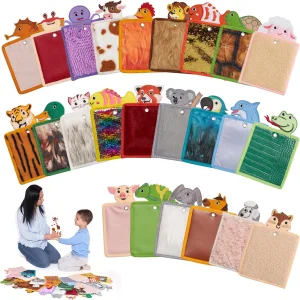
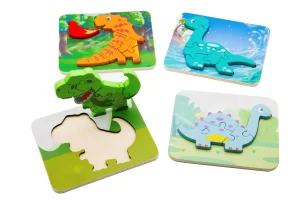
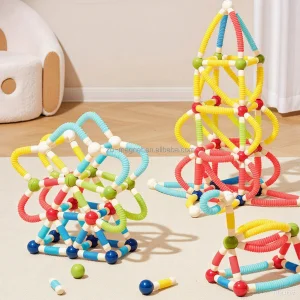
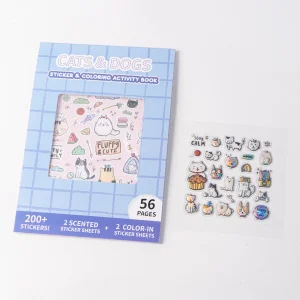
Explore our expanded collection, featuring developmental tools, 3D puzzles, and sensory aids designed to engage young minds.
 Bully Toy