Understanding the clinical, educational, and commercial value of sensory stimulation toys in the 21st century.
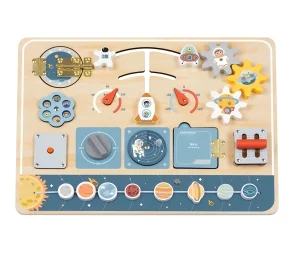
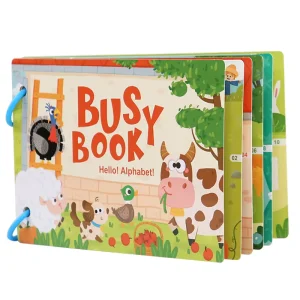
Sensory play is not merely a micro-trend within the educational toy sector; it represents a fundamental shift in early childhood development pedagogy. By engaging a child's senses—tactile, visual, auditory, olfactory, vestibular, and proprioceptive—sensory toys build direct neural pathways in the brain's synapses. In the modern developmental landscape, these products are widely recognized for their capacity to foster cognitive growth, gross and fine motor skills, language development, and emotional regulation. Particularly for children managing Autism Spectrum Disorder (ASD), ADHD, and other neurodivergent parameters, specialized sensory items serve as essential therapeutic intervention tools.
From a global market perspective, sensory play items are transitioning from niche pediatric clinics into mainstream educational institutions, Montessori schools, and residential nurseries. Retailers, B2B distributors, and direct-to-consumer (DTC) brands face the challenge of sourcing products that balance clinical effectiveness with industrial-grade durability and strict chemical safety regulations. Working directly with specialized Chinese manufacturers who operate at the intersection of toy engineering and developmental science is now critical for maintaining market competitiveness.
Navigating material compliance, environmental standards, and structural testing for high-value import cycles.
Sensory items are heavily handled, chewed, and manipulated. Our raw materials are strictly screened for BPA, Phthalates, Lead, and heavy metals. We align with European REACH and US CPSIA regulations to guarantee absolute chemical safety.
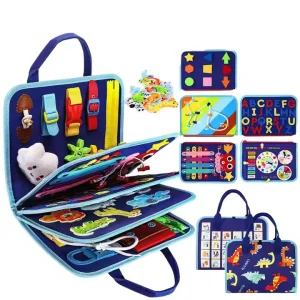
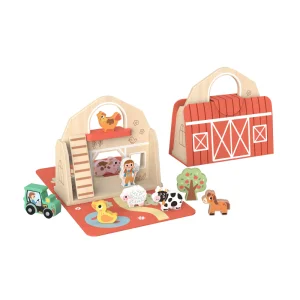
Global brands demand ecological responsibility. We offer premium, sustainably-sourced timber certificated by the FSC (Forest Stewardship Council), along with natural wool felt and OEKO-TEX certified fabrics for eco-conscious markets.
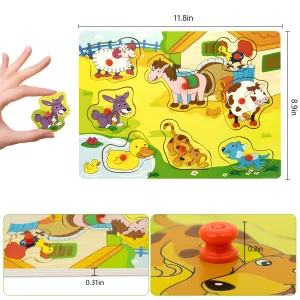
Preventing choking risks is crucial in sensory items designed for infants. We perform rigorous torque, tension, impact, and small-parts cylinder test protocols in-house to protect children under three years old during intense play.
Founded in 2012, Dongguan Bully Toy Co., Ltd. has grown to become a cornerstone of China's educational and sensory toy export ecosystem. Located in the manufacturing hub of Dongguan, Guangdong Province, the factory utilizes mature local component suppliers and advanced tooling infrastructure. Spanning over 16,000 square meters, our facility integrates R&D, tooling, and strict quality control pipelines under one roof, reducing international lead times and minimizing third-party markup costs.
For toy brands, distributors, and early learning networks looking to scale, simple white-labeling is rarely enough to build brand loyalty. Proprietary designs, ergonomic adjustments, and targeted sensory features require custom tooling and engineering support.
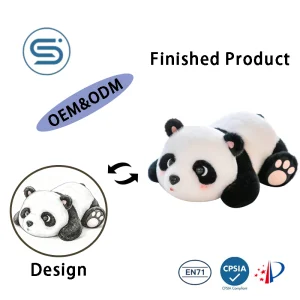
Our complete OEM and ODM capabilities support B2B clients from 3D CAD modeling and rapid SLA prototyping through to mold manufacturing, customized packaging, and compliance testing. This comprehensive approach ensures that the end product matches the client's creative design while meeting the structural strength and safety required for heavy daily use in schools and daycare settings.
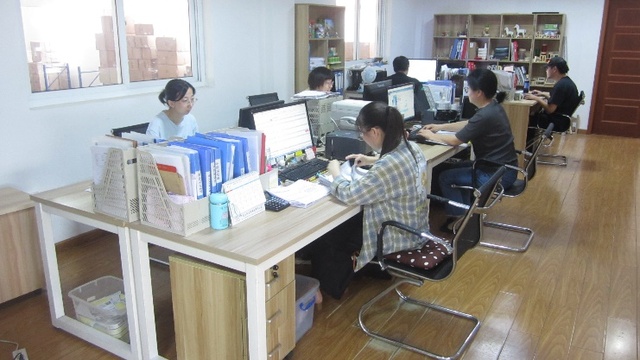
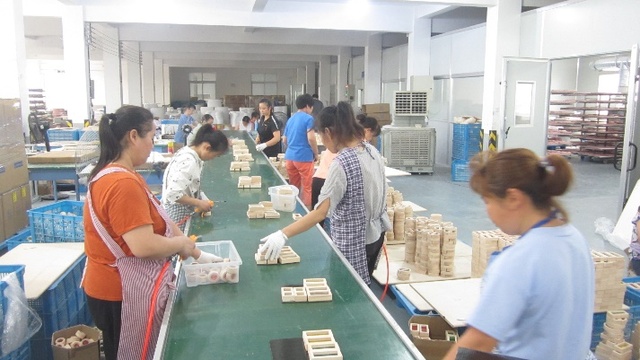
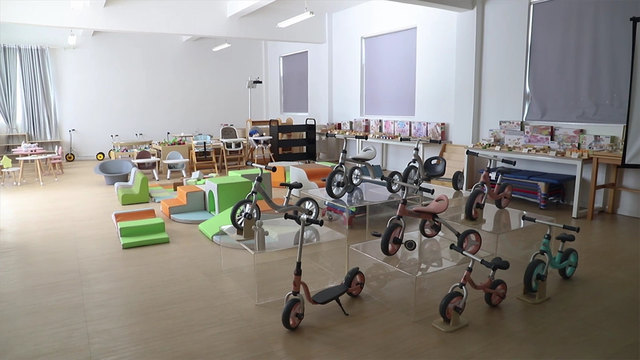
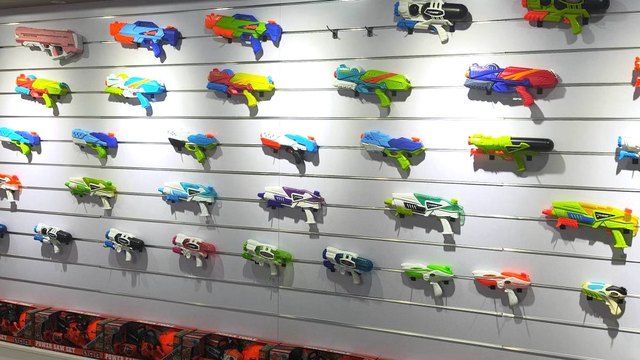
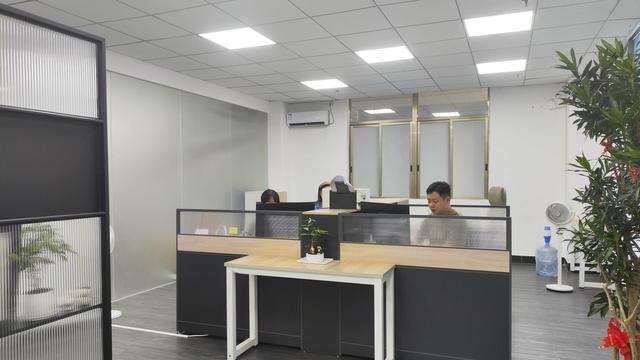
Take a look inside the modern manufacturing workspace of Dongguan Bully Toy Co., Ltd.
Operating a workforce of more than 280 skilled personnel, Dongguan Bully Toy Co., Ltd. uses state-of-the-art injection molding machines, automated CNC routers for wooden toys, dust-free paint rooms, and high-performance fabric assembly lines. This vertically integrated manufacturing model ensures that quality checkpoints are consistently maintained at every step of production.
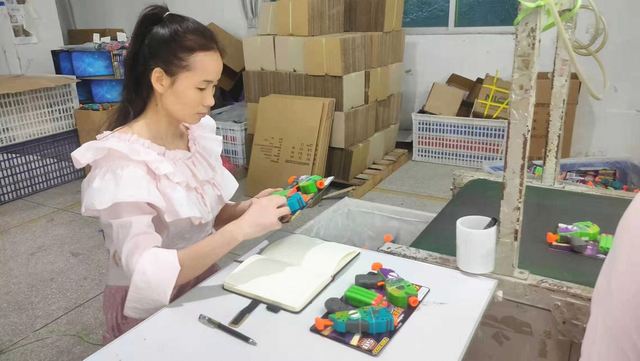
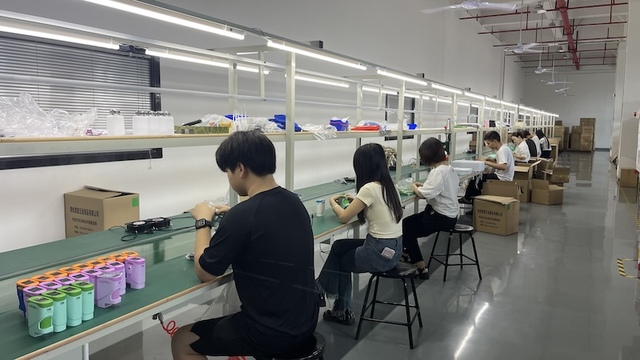
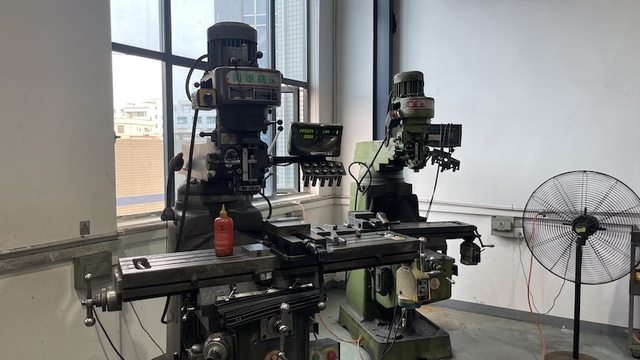
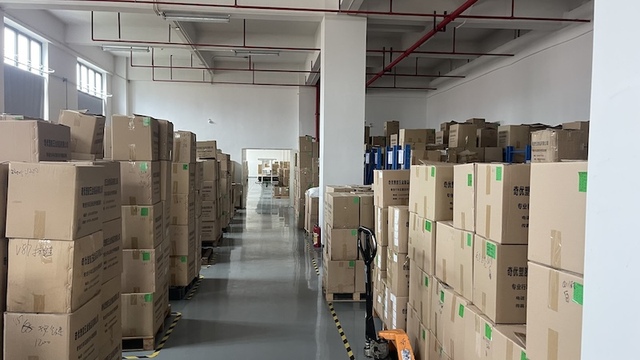
How we verify that every sensory play item meets strict safety and environmental standards before leaving the factory floor.
For B2B buyers, regulatory non-compliance can lead to costly port delays, product recalls, and damage to brand reputation. At Dongguan Bully Toy Co., Ltd., we mitigate these risks through a systematic, multi-tiered Quality Assurance framework integrated directly into our production lines:
Before production starts, all raw materials—including ABS plastics, food-grade silicones, solid beech wood, water-based non-toxic paints, and organic cotton felt—are tested for chemical purity and physical consistency. Material test certificates are verified to ensure compliance with lead limits, phthalate bans, and heavy metals restrictions.
During manufacturing, random products are pulled from the assembly lines at set intervals. Specialists test crucial assembly points, checking parameters like the adhesion strength of sensory felt elements and the tensile resistance of wooden components. This step verifies that products can withstand active daily play without breaking down.
Every finished batch undergoes strict inspection before packaging. Products are tested for compliance with the toy safety standards of their target markets—including EN71 for the EU, ASTM F963 / CPSIA for the USA, and AS/NZS ISO 8124 for Australia. We check labeling, age-grade warnings, and instruction sheets to ensure a smooth customs clearance and retail-ready import process.
Answers to common B2B procurement, customization, safety, and logistical questions.
 Bully Toy