Dongguan Bully Toy Co., Ltd. is a professional educational toy manufacturer specializing in STEM learning toys, Montessori-inspired educational products, and early childhood development solutions. Established in 2012, the company is located in Dongguan, Guangdong Province, China, a renowned manufacturing center with a mature supply chain and efficient global logistics infrastructure.
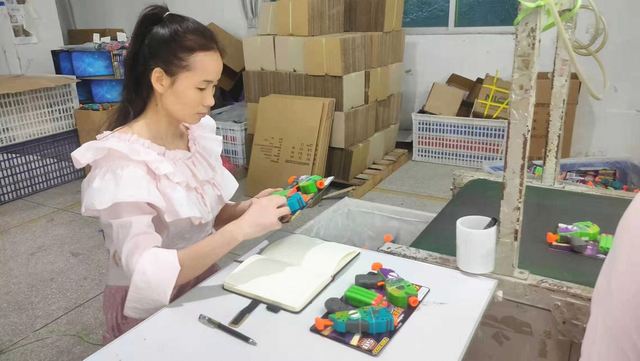
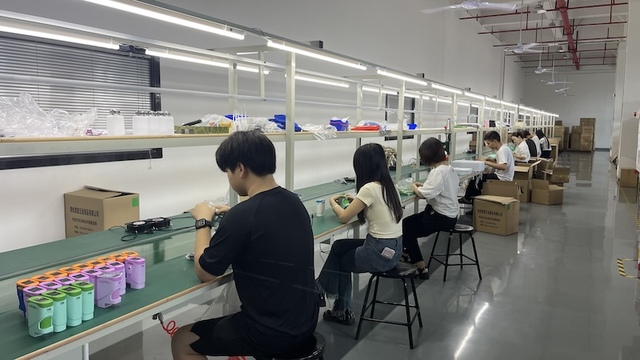
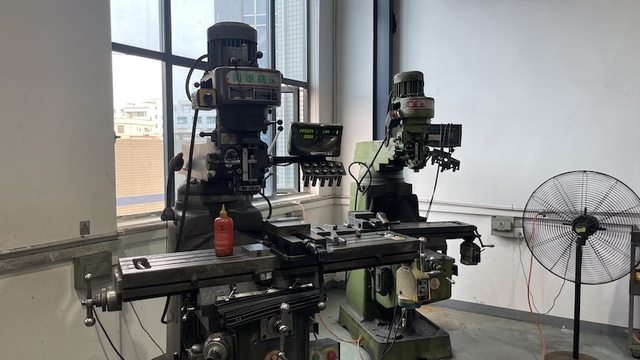
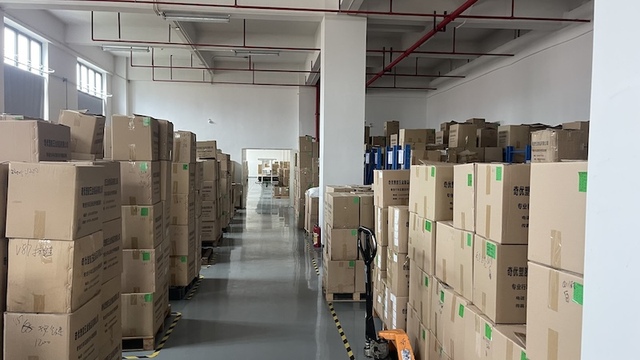
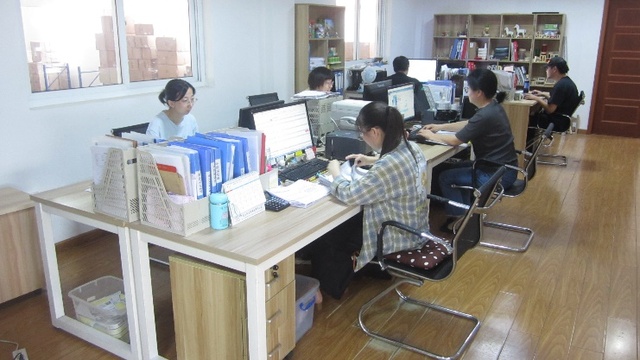
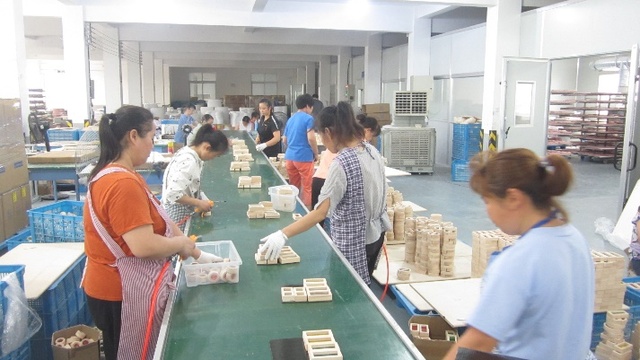
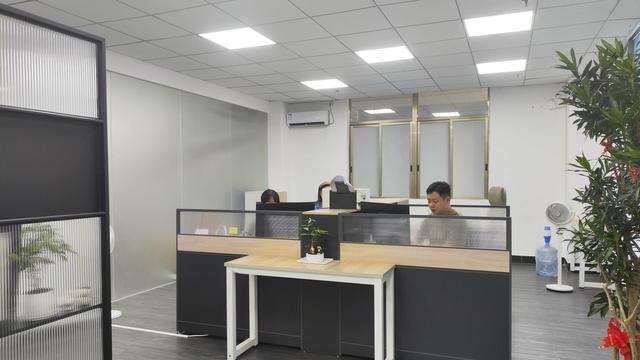
With a modern production facility covering more than 16,000 square meters and a workforce of over 280 highly skilled employees, Bully Toy integrates product design, research and development, mold manufacturing, production, quality assurance, and international sales. The company utilizes advanced manufacturing equipment and strict quality management systems to ensure product safety, durability, and compliance with international standards such as CE, FCC, ASTM, and KC.
Production Facility (sqm)
Skilled Personnel
Established Year
CE Compliance
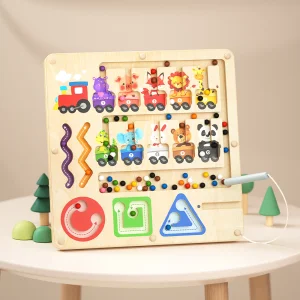
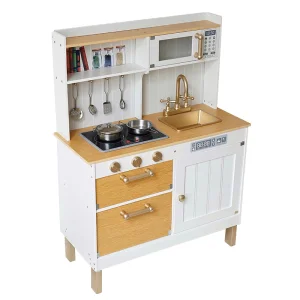
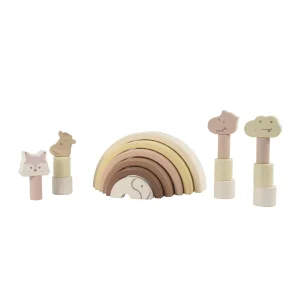
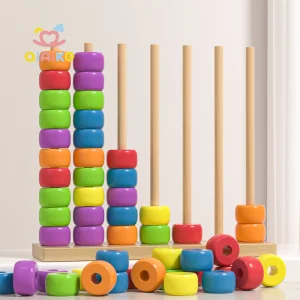
Bully Toy offers a diverse range of educational products, including STEM educational toys, Montessori learning materials, early learning toys, science exploration kits, creative play toys, sensory development products, wooden educational toys, puzzle games, and interactive learning solutions. Designed to encourage curiosity, creativity, critical thinking, and hands-on learning, the company's products serve educational institutions, toy brands, retailers, distributors, and e-commerce businesses worldwide.
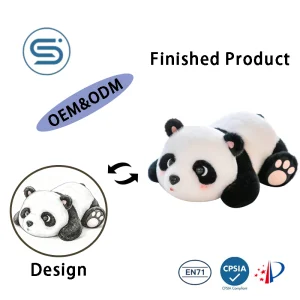
As an experienced OEM and ODM partner, Bully Toy provides comprehensive customization services, including concept development, product design, mold creation, packaging design, private labeling, and flexible manufacturing solutions. The company works closely with customers to develop educational products that align with specific market demands and brand positioning. Our products are exported to North America, Europe, Australia, Southeast Asia, the Middle East, and other international markets. Committed to innovation, quality, and long-term cooperation, Dongguan Bully Toy Co., Ltd. strives to deliver reliable educational toy solutions that support children's learning, development, and engagement while helping customers succeed in the global toy industry.
In the modern educational framework, Language Arts Resources have transitioned from traditional printed materials to highly integrated sensory, auditory, and manipulative tools. School districts, public libraries, global distributors, and educational institutions are demanding physical materials that foster active cognitive engagement. B2B buyers look for products that cross-integrate linguistic syntax, phonics, and semantic recognition with motor-skill coordination.
Institutions demand resources that map directly onto localized school curriculums (such as Common Core in the USA, EYFS in the UK, and Montessori systems globally), bridging the gap between tactile play and formal evaluation standards.
Modern literacy acquisition relies on visual, auditory, and kinesthetic inputs. B2B buyers seek resources that combine speech generation (sound books), spatial manipulation (word puzzles), and material variety (acrylic/wooden interfaces).
The global demand for English as a Second Language (ESL) training tools requires localization support—allowing customization of sounds, character scripts, and cultural aesthetics to appeal to varied demographics.
This shifting B2B purchasing ecosystem means that educational manufacturers can no longer function purely as assembly plants. Companies like Dongguan Bully Toy Co., Ltd. serve as strategic partners who participate actively in research and development, structural design, and international regulatory approvals.
The pedagogical market is undergoing a major evolution: the convergence of STEM and Language Arts (STEAM). Traditionally separated, scientific thinking and linguistic development are now treated as mutually reinforcing disciplines. For instance, coding block systems use syntax rules analogous to grammar patterns.
Our macro-industry solutions address this paradigm shift by delivering products that serve multiple developmental milestones:
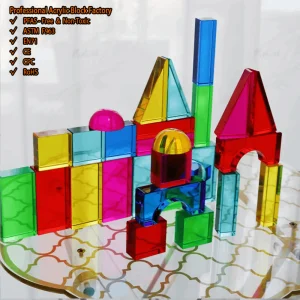
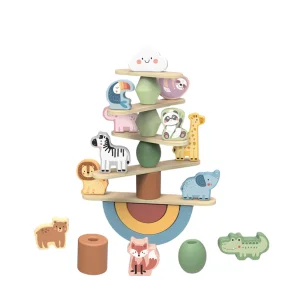
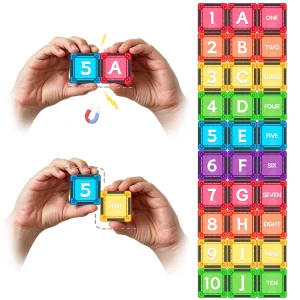
Combining Montessori sensory methodologies with language structure. Utilizing acrylic building blocks and magnetic mazes to assist children in visualizing phonetic patterns and word formations through geometric spatial layouts.
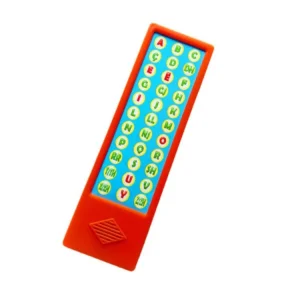
Leveraging high-fidelity micro-speakers, capacitive touch sensors, and reliable printed circuitry (as seen in our 30-Button Sound Books) to match written graphs with native spoken pronunciations, supporting early literacy and bilingual learners.
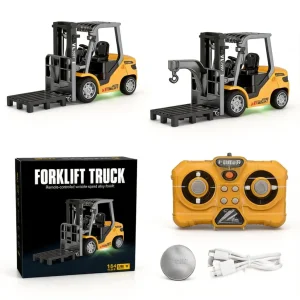
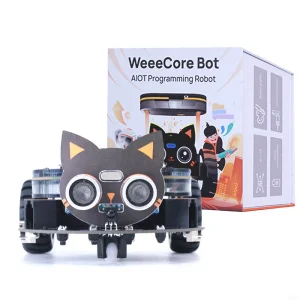
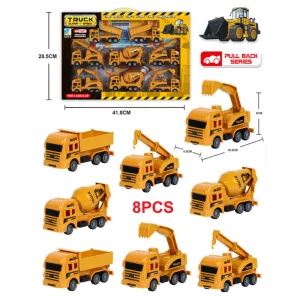
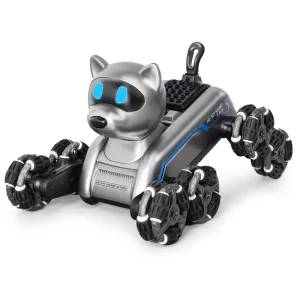
Implementing engineering vehicles and robotics (such as remote-controlled forklifts and ESP32-based AIoT kits) to turn technical blueprints into descriptive reading exercises, making children express logical workflows verbally.
To maintain competitive advantages in Google semantic search and meet the evolving expectations of global educational authorities, the manufacturing of language arts resources must transition into high-precision technology integrations. Below is our R&D roadmap highlighting our manufacturing and design developments over the next three fiscal years.
Reducing environmental footprint is a critical parameter for modern buyers. We are transitioning our materials from traditional plastics to biodegradable PLA filaments, FSC-certified natural hardwoods, non-toxic organic acrylic resins, and post-consumer recycled fabrics. This transition guarantees compliance with the strict European Green Deal directives and ensures products are safe for tactile interaction by infants.
Integrating ESP32, Bluetooth, and Wi-Fi modules allows physical educational toys to interact with local learning management software. By combining digital progress tracking with physical toy manipulation, educators receive real-time metrics on children's phonics acquisition, phonetic speed, and error rates, keeping physical toys relevant in an increasingly digital world.
Utilizing generative AI models during the ODM prototyping stage enables us to customize audio outputs, scripts, and language structures in multiple foreign dialects within hours instead of weeks. Furthermore, the development of customized low-latency speech recognition chips allows toys to interact with children in real-time, providing immediate correction for pronunciation and vocabulary usage.
The global educational toy market size was valued at billions of dollars and continues to experience a robust compound annual growth rate (CAGR), driven by parental willingness to invest in early cognitive development and academic readiness. Dongguan, China remains at the center of this industrial landscape, offering unmatched structural advantages for international buyers:
Entering high-barrier international markets requires strict adherence to regional regulatory frameworks. At Dongguan Bully Toy Co., Ltd., our legal and quality departments ensure all language arts and educational materials are designed and certified to comply with relevant safety regulations:
Our complete catalog complies with the European Union's Toy Safety Directive, meeting mechanical, physical, flammability, and chemical safety standards (EN71 parts 1, 2, and 3).
For the North American market, our materials undergo rigorous testing for heavy metal contents, small parts hazards, lead limits, and phthalates to guarantee child safety.
Our electrical interactive learning materials (e.g., sound books, AIoT robotics) are fully tested and certified for electromagnetic compatibility, shielding children from harmful emissions.
Moreover, localization extends beyond regulatory paperwork. True compliance means validating target language accents, phonetics, and idioms to match localized curricula. Our design team collaborates with native educational experts in target countries to review phonology, vocabulary choices, and audio outputs prior to mass production.
 Bully Toy