How Do Toys Enhance Early Childhood Education Benefits?

Time:2026-07-11 Author:Liam
0%

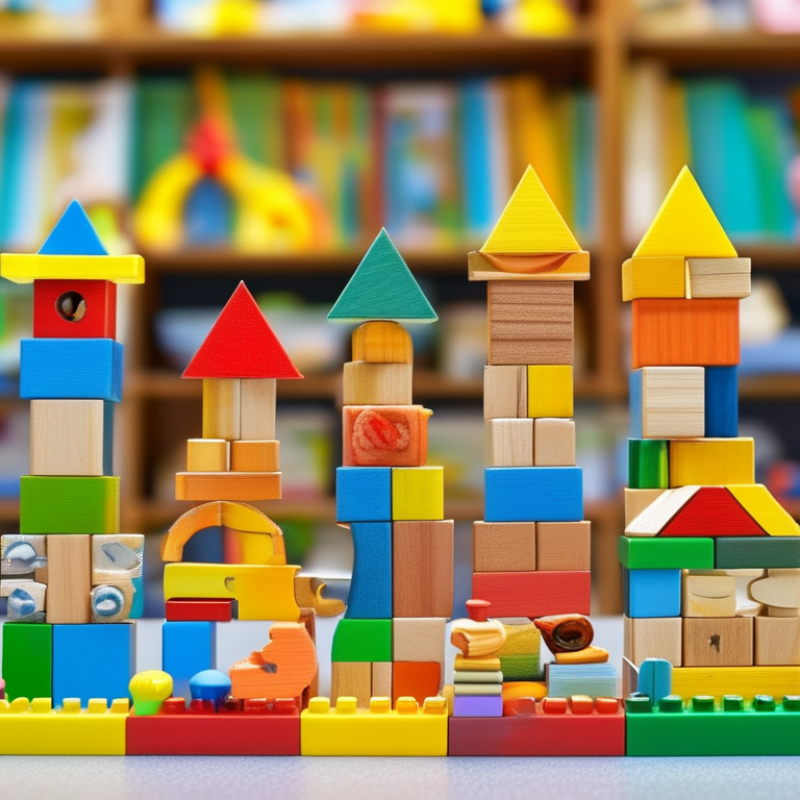
Toys play a crucial role in shaping the foundation of early childhood education. Understanding how do toys support early childhood education reveals their transformative power in learning environments. Well-designed toys stimulate curiosity, creativity, and critical thinking skills. For instance, building blocks can promote spatial awareness, while puzzles encourage problem-solving abilities.

Additionally, social interaction often occurs during play. Children learn to cooperate, share, and communicate. These are essential skills for future success. Experiences with toys can offer both structured learning and open-ended exploration. Yet, not all toys are created equal. Some may not align with educational goals. Parents and educators must choose wisely to enhance learning outcomes.

Reflecting on the impact of toys, it’s essential to consider how they can sometimes distract from focused learning. Balance is key. Incorporating toys that align with educational objectives can strengthen developmental benefits. Ultimately, understanding the role of toys in early childhood education is vital for fostering growth and development.
How Do Toys Enhance Early Childhood Education Benefits?

The Role of Play in Early Childhood Learning Development

Play is a fundamental component of early childhood learning. Research shows that children learn best through play-based activities. According to the National Association for the Education of Young Children (NAEYC), 90% of brain development occurs in the first five years of life. This highlights the importance of engaging activities. Toys stimulate creativity and problem-solving skills, key elements in cognitive development.

Engaging with toys also promotes social skills. A study by the American Academy of Pediatrics found that play fosters communication, cooperation, and empathy. When children play together, they learn to negotiate, share, and resolve conflicts. These interactions are crucial for emotional intelligence development.

However, not all play is beneficial. The type of toys matters significantly. Toys that encourage open-ended play, such as blocks and art materials, outperform passive toys. Research from the Harvard Graduate School of Education points out that children need guidance to maximize play's educational benefits. Teachers and parents should carefully select toys to enhance learning outcomes. Challenges arise when children are given toys that limit their imagination. Balancing structured play and free exploration is essential for holistic development.

Impact of Different Types of Play on Early Childhood Education Benefits

Types of Educational Toys and Their Impact on Cognitive Skills

Educational toys play a crucial role in early childhood development. They stimulate cognitive skills and create engaging learning experiences. A study by the American Academy of Pediatrics highlights that interactive toys enhance problem-solving abilities in young children. These toys encourage creativity and imaginative play, important for developing critical thinking skills.

Types of educational toys vary widely. Building blocks promote spatial awareness. Puzzles foster critical thinking and pattern recognition. Studies show that children who interact with puzzles can improve their mathematical skills by 30%. However, not all toys offer the same benefits. Traditional screen-based games may limit hands-on exploration. Engaging with physical toys allows children to develop fine motor skills, which are essential for tasks like writing.

Yet, parents and educators must choose wisely. Some toys may distract more than educate. Research indicates that excessive use of electronic toys can hinder social skills development. Balancing traditional and modern toys can offer a more rounded approach. Ultimately, the right toys can profoundly impact a child's cognitive journey, guiding them toward lifelong learning.

Data on Play-Based Learning and Academic Achievement Correlation

Play-based learning is gaining attention for its correlation with academic achievement. Research shows that children who engage in play learn better. They develop critical skills through toys that promote creativity and problem-solving. Such experiences foster a love for learning, making education enjoyable.

Toys serve as educational tools, enhancing cognitive and social development. For instance, building blocks encourage spatial awareness and teamwork. Imaginative play with dolls or action figures develops language skills and emotional understanding. These interactions set a strong foundation for future learning.

Tips for parents: Encourage your child to explore various toys. Allow them to choose how they interact with toys. Set aside daily playtime without distractions. Watch your child’s interests develop and adapt the toys available to them. Engage with them in play to strengthen your bond and support their education. Focused play can lead to meaningful learning experiences.

The Psychological Benefits of Toys in Social and Emotional Growth

Toys play a crucial role in early childhood development. They foster social and emotional skills essential for well-rounded growth. According to a report by the American Academy of Pediatrics, play is vital for developing emotional intelligence. Engaging with toys helps children learn to express their feelings and understand others' emotions.

When children play together, they encounter various social situations. They negotiate roles, resolve conflicts, and build friendships. A study conducted by the National Association for the Education of Young Children indicates that children who engage in cooperative play are more likely to succeed in social settings later in life. This type of interaction is not always smooth. Challenges often arise, prompting children to reflect and adapt.

Furthermore, toys can be tools for emotional expression. Creative play allows children to mimic real-life scenarios. This process helps them process complex feelings and experiences. However, children sometimes may struggle to articulate their emotions. They may resort to frustration or withdrawal. Recognizing these moments can give caregivers insight into children's experiences and aid in their emotional growth. Emphasizing the quality of playtime can shape their social interactions and emotional well-being.

How Do Toys Enhance Early Childhood Education Benefits?

Toys Psychological Benefits Social Development Emotional Growth
Building Blocks Enhances problem-solving skills Promotes teamwork and collaboration Boosts confidence in creating structures
Role Play Puppets Encourages empathy and understanding Facilitates storytelling and communication Offers a safe space for expressing feelings
Art Supplies Stimulates creativity and self-expression Encourages group projects and sharing Helps to process emotions through art
Musical Instruments Enhances auditory skills and memory Fosters social bonds in group settings Promotes emotional regulation through music
Puzzle Games Develops critical thinking and patience Encourages cooperative play Builds resilience in facing challenges

Best Practices for Incorporating Toys into Early Education Curriculums

Incorporating toys into early education curriculums can profoundly enhance learning experiences. When chosen wisely, toys promote imaginative play, social skills, and cognitive development. Open-ended toys, for instance, encourage creativity. Children can build, role-play, and explore concepts without rigid instructions. These activities foster critical thinking and problem-solving skills, essential for future learning.

Teachers should prioritize hands-on learning. Engaging students with tactile experiences can make complex subjects more accessible. For example, using blocks to teach math concepts allows children to visualize and manipulate numbers. However, not all toys serve educational purposes. It's crucial to reflect on the toys selected and their alignment with learning objectives. Some toys might distract rather than engage.

Regular assessment of toy effectiveness is important. Observing how children interact with toys can reveal insights about their interests and learning styles. Educators may need to adjust their approaches based on these observations. For example, a toy that once captivated may fall flat over time. Continuous adaptation ensures that learning remains dynamic and exciting, filling the classroom with curiosity and joy.

FAQS

: Why is play important in early childhood learning?

: Play is vital as it promotes cognitive development and enhances problem-solving abilities through engaging activities.

What percentage of brain development occurs in early childhood?

Research indicates that 90% of brain development happens within the first five years of life.

How do toys influence social skills in children?

Toys encourage communication, cooperation, and empathy, allowing children to learn negotiation and conflict resolution.

What type of toys are most beneficial for children's development?

Open-ended toys, like blocks and art materials, effectively encourage creativity and cognitive growth compared to passive toys.

Are electronic toys effective for learning?

Excessive use of electronic toys can hinder social skills development and may distract more than educate.

How should educators select toys for learning?

Educators should consider toys' alignment with learning goals and regularly assess their effectiveness for student engagement.

What role does hands-on learning play in education?

Hands-on learning through toys makes complex concepts accessible and fosters critical thinking among young learners.

Can toys sometimes be counterproductive?

Yes, some toys may distract rather than engage, requiring careful consideration to ensure they contribute positively to learning.

Why is reflection important in toy selection?

Reflecting on chosen toys ensures they align with educational objectives and continue to engage children's interests over time.

How can play be adapted in the classroom?

Continuous adaptation based on observations of children's interactions with toys keeps learning dynamic and encourages curiosity.

Conclusion

Toys play a crucial role in enhancing early childhood education by fostering a dynamic learning environment where play and education intersect. The various types of educational toys are instrumental in developing cognitive skills, as they engage children in activities that stimulate critical thinking, problem-solving, and creativity. Research shows a strong correlation between play-based learning and academic achievement, highlighting how toys not only make learning enjoyable but also effective.

Furthermore, the psychological benefits of toys contribute significantly to children's social and emotional growth. Engaging with peers through play promotes essential social skills while also fostering emotional resilience. Best practices for incorporating toys into early education curriculums emphasize the importance of selecting appropriate toys that align with developmental goals. Overall, understanding how do toys support early childhood education is essential for creating enriching educational experiences that nurture the whole child.

Liam

Liam

Liam is a dedicated marketing professional with a profound expertise in the industry, where he excels at highlighting the unique advantages of our core products. With a keen understanding of market trends and consumer needs, Liam frequently updates our company’s professional blog, providing......