When it comes to planning educational activities for children, parents often wonder, "what are the best educational activities for children?" Dr. Emily Johnson, a child development expert, emphasizes the importance of engaging children through play-based learning. She states, “Children learn best when they are having fun.”
Finding the right activities can be challenging. Educational games, hands-on experiments, and creative arts foster essential skills. These experiences not only promote cognitive growth but also enhance social interaction. Activities should be tailored to each child's interests and developmental stage. For instance, a child fascinated by nature might thrive in science experiments involving plants.
Balancing structured learning with free exploration is vital. Sometimes, less structured activities can spark creativity. It’s beneficial to reflect on what activities capture your child’s interest. Experimenting with different options can lead to discovering what resonates best. After all, the goal is to inspire a love of learning that lasts a lifetime.
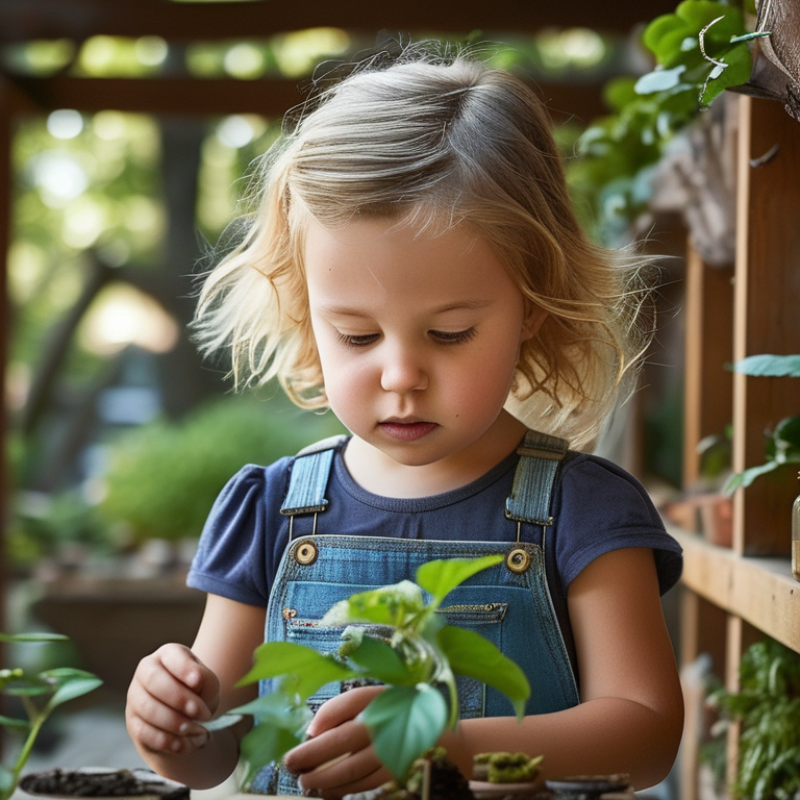
Educational activities play a crucial role in child development. They shape cognitive skills and enhance social interactions. Engaging young minds through diverse activities helps them explore their creativity and build foundational knowledge. Children benefit from hands-on experiences that foster critical thinking and problem-solving skills.
Incorporating educational play is essential. For example, art and craft activities can improve fine motor skills. Kids learn to express themselves while having fun. Outdoor activities can also boost physical health and social skills. Encourage children to work together on projects. Teamwork is vital for building friendships and communication skills.
Tips: Create a routine that includes various activities. Rotate tasks weekly to keep things fresh. Also, let children choose activities that interest them. Motivation increases when they feel involved. Encourage reflection on their experiences. Ask questions about what they learned and how they felt. This reflection process can deepen understanding and foster a love for learning.
: They shape cognitive skills and enhance social interactions. Children learn through diverse activities and explore creativity.
They foster critical thinking and problem-solving skills. Direct engagement helps children retain information better.
Teamwork builds friendships and communication skills. Children learn to work together on projects while having fun.
Include various activities and rotate tasks weekly. Let children choose activities that interest them to boost motivation.
Science experiments make learning tangible. Creating art allows children to express creativity and improve fine motor skills.
Monitor comfort levels and adapt activities to fit different learning styles. Reflection on experiences can help engagement.
Asking questions about experiences deepens understanding. It fosters a love for learning and encourages personal growth.
Some children may feel overwhelmed. It's important to create a supportive environment to ensure full participation.
They boost physical health and enhance social skills. Engaging in nature provides unique learning opportunities.
Not all activities go smoothly. Reflecting on successes and challenges helps improve future educational experiences.
Educational activities play a crucial role in child development, fostering cognitive, social, and emotional growth. The article explores various types of educational activities tailored for different age groups, emphasizing the importance of choosing age-appropriate options to maximize learning potential. A significant focus is placed on hands-on learning, which offers interactive experiences that engage children actively and enhance their understanding of concepts.
Incorporating play into educational activities is another effective strategy for maintaining engagement and motivation among children. By blending learning with play, children are more likely to participate and absorb information in a fun and stimulating environment. Lastly, the article highlights effective resources and tools that parents and educators can utilize to create enriching educational experiences. Overall, it addresses the question, "what are the best educational activities for children," guiding caregivers toward optimal choices for their development.

 Bully Toy