The world of educational toys is evolving rapidly. With advancing technology and changing learning styles, parents seek innovative options for their children's development. Renowned expert in child development, Dr. Emily Foster, often discusses these shifts. She states, “Understanding what are the latest trends in educational toys can empower parents to choose wisely.”
In 2026, we will see toys that merge learning with play seamlessly. Interactive and adaptive learning tools are on the rise. They cater to various learning preferences, making education more personalized. Sustainability in toy production is also gaining momentum. Consumers increasingly demand eco-friendly materials and ethical manufacturing practices. This reflects a collective awareness of environmental issues and the responsibility to raise conscious consumers.
Furthermore, inclusive toys that cater to diverse needs are becoming more prevalent. This trend encourages empathy among children from a young age. As parents and educators explore these trends, it’s crucial to remain attentive to consumer needs and potential gaps in product offerings. Engaging with this evolving landscape requires ongoing reflection and adaptation for success. The future of educational toys holds immense promise, yet challenges in implementation and access must be addressed.
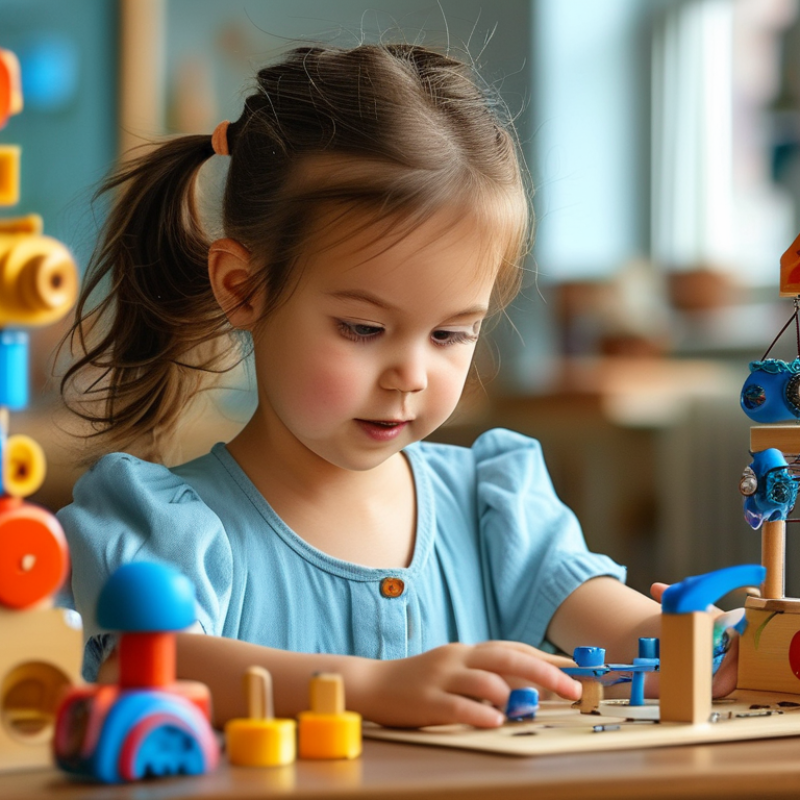
The rise of STEM-focused educational toys is redefining how children engage with learning. A recent report by the NPD Group shows that STEM toys have gained a 25% market share in the toy industry. This aligns with parents' desires to promote critical thinking and problem-solving skills in their children.
These toys not only entertain but also educate. They encompass robotics, coding, and engineering kits, bridging gaps between theoretical knowledge and practical application. Children learn through hands-on experiences, fostering creativity and innovation. Research indicates that children exposed to STEM concepts at an early age perform better in math and science later on.
Consider integrating STEM toys into your child’s playtime. Look for toys that challenge their problem-solving skills. Encourage open-ended questions during play. Assess their progress periodically. This reflection can lead to deeper understanding. It’s essential to foster a growth mindset, allowing for mistakes and learning opportunities along the way. Emphasize exploration and inquiry, creating a supportive environment for growth.
| Rank | Toy Name | Age Group | Key Learning Area | Features |
|---|---|---|---|---|
| 1 | Robotic Coding Kit | 8+ | Coding & Robotics | Hands-on assembly, programmable features |
| 2 | Solar-Powered Science Kit | 6+ | Science & Ecology | Renewable energy projects, interactive learning |
| 3 | 3D Printing Pen | 8+ | Art & Design | Creativity, fine motor skills development |
| 4 | Math Board Game | 5+ | Mathematics | Strategic thinking, mental math skills |
| 5 | Bio-Dome Ecosystem Kit | 7+ | Biology & Environment | Self-sustaining ecosystem model, plant care |
| 6 | Augmented Reality Puzzle | 5+ | Critical Thinking | Interactive AR experience, teamwork |
| 7 | Engineering Building Blocks | 4+ | Engineering | STEM principles, creative constructions |
| 8 | Virtual Reality Learning App | 10+ | Various Subjects | Immersive experiences, broad subject coverage |
| 9 | Interactive Globe | 6+ | Geography | Global knowledge, cultural facts |
| 10 | Storytelling Robot | 3+ | Language & Literacy | Engaging narratives, vocabulary development |
: STEM toys promote learning in science, technology, engineering, and math. They encourage critical thinking and problem-solving skills.
They entertain and educate, offering hands-on experiences that boost creativity. Early exposure improves future performance in math and science.
AR makes learning immersive. Children can explore 3D elements, enhancing understanding of complex concepts like physics and biology.
Yes, reliance on technology may limit traditional play benefits. A balance between AR and tactile experiences is necessary.
Encourage open-ended questions during play. Periodically assess your child's progress. Reflection can lead to deeper understanding.
SEL focuses on skills like empathy and teamwork. Toys that foster these skills can enhance academic performance and emotional intelligence.
Interactive toys promoting group activities help develop social skills. Role-play sets teach sharing and conflict resolution effectively.
Disagreements can be teachable moments. They offer lessons in patience and understanding, valuable for social development.
Look for toys that inspire cooperation and emotional expression. Balance between learning and play is crucial for overall development.
Technology can enhance learning, but it shouldn't overshadow essential skills. A blended approach is vital for well-rounded development.
As we look ahead to 2026, it is essential to explore what are the latest trends in educational toys that are shaping the way children learn and play. One notable trend is the rise of STEM-focused educational toys, which aim to foster skills in science, technology, engineering, and mathematics through engaging activities. Additionally, the integration of augmented reality in learning playsets is enhancing interactive experiences, making learning more immersive.
Sustainability is also a key focus, as manufacturers increasingly utilize eco-friendly materials in toy production, promoting environmental awareness from a young age. Furthermore, there is a growing emphasis on incorporating social-emotional learning into toys, enabling children to develop vital interpersonal skills. Finally, personalized learning experiences are being achieved through adaptive toys that cater to individual learning styles and paces, ensuring that each child's educational journey is unique and effective.

 Bully Toy