In 2026, the use of educational toys has become increasingly vital in child development. Parents often find themselves asking, "how can parents use educational toys effectively?" These toys are not just playthings; they are tools for learning. By engaging children with educational toys, parents can foster critical thinking and creativity.
Effective use requires understanding the child’s interests and developmental stage. A puzzle that excites one child may frustrate another. It’s essential to observe and adapt to each child's unique responses. While educational toys enhance learning, parents should remain mindful of potential over-reliance on them for skill development. Balance is key.
Integrating toys into daily routines encourages exploration. Simple activities, like building blocks during storytime or counting toys while playing, add an educational element. However, it’s important for parents to reflect on the outcomes. Are the toys facilitating genuine learning, or merely keeping children occupied? Striking the right balance can ensure that educational toys serve their intended purpose.
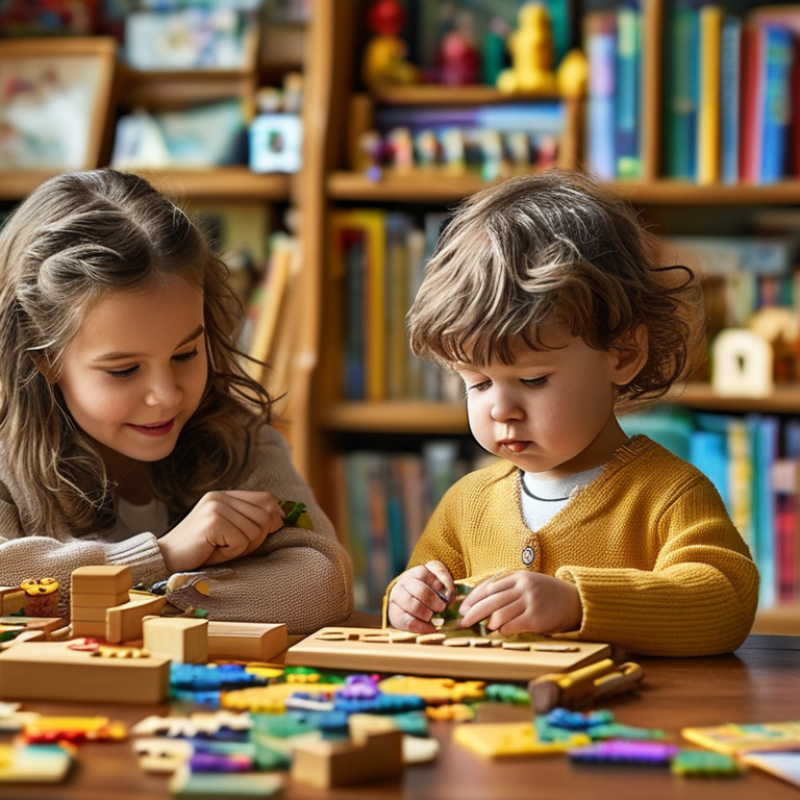
Understanding educational toys is essential for parents in 2026. Educational toys are designed to stimulate learning through play. They can enhance cognitive skills, motor abilities, and social interactions. Parents often overlook the depth of benefits these toys offer. For example, building blocks promote creativity and problem-solving. Children learn persistence as they construct and deconstruct.
Choosing the right toy matters. Not all toys are equal in educational value. Parents should consider age-appropriateness and developmental needs. A toy that fascinates one child might not engage another. Reflecting on past choices helps refine future ones. Sometimes, the most straightforward toys turn out to be the most impactful. A simple puzzle can teach patience and focus more than a high-tech gadget.
Evaluation of educational toys is an ongoing process. Parents must innovate and adapt their choices as children grow. What works one year may not work the next. Observing how children interact with toys provides insights. This understanding forms a solid foundation for fostering a love of learning through play. Adapting toy choices requires patience and a willingness to reassess.
Choosing the right educational toys is crucial for child development. Different age groups require different approaches. For infants, focus on sensory toys. These toys encourage exploration and improve fine motor skills. Look for toys that are brightly colored and textured. Tactile stimulation is key at this stage.
For toddlers, consider toys that promote problem-solving. Puzzles and building blocks can be excellent choices. These toys help develop critical thinking and hand-eye coordination. Engaging with toddlers during playtime enhances their learning experience. Encourage them to express creativity through construction toys.
Preschoolers benefit from role-playing toys. Dolls, kitchen sets, or tool kits can spark imagination. These toys support social skills and emotional understanding. It is vital to play alongside them, discussing their actions and choices. This interaction fosters communication skills. However, balance the playtime, preventing overstimulation. Too many toys at once can lead to frustration.
Incorporating educational toys into daily activities can transform learning into an engaging experience for children. Parents can use toys during everyday routines to enhance skills and knowledge. For example, while cooking, use measuring cups as a fun way to teach fractions. This hands-on approach reinforces concepts that children learn in school.
Tips: Choose toys that spark curiosity. Toys that encourage problem-solving help children think critically. Turn playtime into a mini-lesson. Use storytelling during play to expand vocabulary. Make connections between toys and real life. This method helps children understand the importance of what they are learning.
Another effective strategy is to set aside dedicated playtime. During this time, parents can interact with their children, guiding them through different activities. For instance, building blocks can become a lesson in architecture and engineering. This intentional focus fosters creativity and critical thinking.
Tips: Make playtime regular but flexible. Allow for exploration and creativity. Limit distractions during this time. Encourage reflection on what was learned through questions. This instills a habit of thinking deeply about experiences. Such moments support effective learning and development.
In 2026, parents can effectively use educational toys to enhance cognitive development through interactive play. These toys often stimulate curiosity and encourage exploration. For example, building blocks allow children to experiment with shapes and balance. As kids create, they grasp fundamental concepts of physics. This hands-on approach fosters critical thinking skills.
Interactive toys, such as puzzles and activity mats, also promote cognitive growth. They require children to solve problems while playing. Engaging in this type of play can lead to moments of frustration, which are important for resilience. Kids learn to improve their strategies as they tackle challenges. Discussing these experiences with parents can deepen understanding and reflection.
However, not every toy guarantees success. Some children may find certain educational toys uninteresting. It is vital for parents to observe their child’s responses. Choosing toys that resonate with a child's interests is crucial. This personalized approach can make the learning experience more enjoyable and effective, fostering cognitive growth through play.
| Toy Type | Age Range | Cognitive Skills Developed | Interactive Features | Parental Involvement |
|---|---|---|---|---|
| Building Blocks | 2-6 years | Spatial Awareness, Problem Solving | Colors, Shapes, and Sizes Recognition | Guiding in Building Structures |
| Puzzle Games | 3-7 years | Logical Thinking, Memory | Interactive Elements with Sound | Working Together on Challenges |
| Role-Playing Sets | 4-8 years | Social Skills, Creativity | Imaginative Scenarios | Participating in Role Play |
| STEM Kits | 5-10 years | Critical Thinking, Engineering Concepts | Building and Experimenting | Supervising Experiments and Projects |
| Art Supplies | 2-8 years | Fine Motor Skills, Expression | Diverse Materials for Creativity | Joining in Art Projects |
Educational toys have gained traction for their potential to boost child development. Studies show that interactive toys promote critical thinking skills in children. A report from the National Association for the Education of Young Children indicates that play-based learning can enhance cognitive development by 30%. However, parents must evaluate the effectiveness of these toys over time.
One aspect to consider is how children respond to various educational tools. Research published in the Journal of Child Psychology suggests that toys maintaining engagement can positively affect learning outcomes. Yet, not all toys fit this criterion. Some toys may initially seem promising but fail to hold a child's interest over time. Regular assessments will determine which toys are genuinely beneficial.
Tips for parents: Frequently rotate toys to keep engagement high. Observe your child's preferences and interests. Look for toys that encourage cooperation or problem-solving. Regularly check developmental milestones to identify gaps that toys might help fill. By understanding these dynamics, parents can make informed choices about their child's educational journey.
: Educational toys can make learning enjoyable. For example, using measuring cups while cooking teaches fractions in a fun way.
Parents should pick toys that spark curiosity and encourage problem-solving. These toys help children think critically.
Using storytelling during playtime can expand vocabulary. Making real-life connections with toys is crucial for understanding.
Set aside dedicated playtime for focused interaction. This allows for creativity and critical thinking through guided activities.
Playtime should be regular but flexible. Limiting distractions and encouraging exploration fosters creativity and learning.
Encouraging children to think about what they learned helps deepen their understanding and supports effective learning habits.
Toys like building blocks help children explore shapes and balance. They grasp fundamental physics concepts through hands-on play.
Puzzles and activity mats encourage problem-solving, which promotes cognitive growth and resilience through challenges.
Parents should observe their child's interest levels. Choosing toys that resonate with them makes learning more enjoyable.
No, effectiveness varies. Not every toy engages every child, highlighting the need for personalized toy selection.
In "Effective Ways for Parents to Use Educational Toys in 2026," the article explores the multifaceted benefits of educational toys and how parents can use educational toys effectively to enhance their children's learning experiences. It begins by defining educational toys and highlighting their role in cognitive and social development. Parents are guided on selecting age-appropriate toys that encourage exploration and creativity.
The overview further emphasizes the importance of incorporating these toys into daily routines, turning playtime into valuable learning opportunities. By promoting interactive play, parents can foster critical thinking and problem-solving skills in their children. Additionally, the article discusses strategies for evaluating the effectiveness of educational toys over time, ensuring they meet developmental milestones. Overall, this comprehensive guide empowers parents to make informed choices that benefit their child's growth and learning journey.
Bully Toy