Play is a vital part of childhood development. According to Dr. Susan Johnson, a leading expert in early childhood education, "Play is the highest form of research." This quote emphasizes how play not only entertains but also fosters deep learning.
Understanding how to encourage learning through play can significantly impact a child's growth. Engaging children in interactive games helps them develop critical thinking skills. These activities can also enhance their social abilities and emotional intelligence. A hands-on approach often yields better results than traditional methods.
However, it’s not always easy. Parents and educators may struggle to create a balance between guided play and free exploration. Reflecting upon the challenges can lead to innovative solutions. Each child responds differently to play. Crafting an environment that nurtures curiosity requires ongoing effort and flexibility. Encouragement and observation can lead to breakthroughs in how children learn through play.
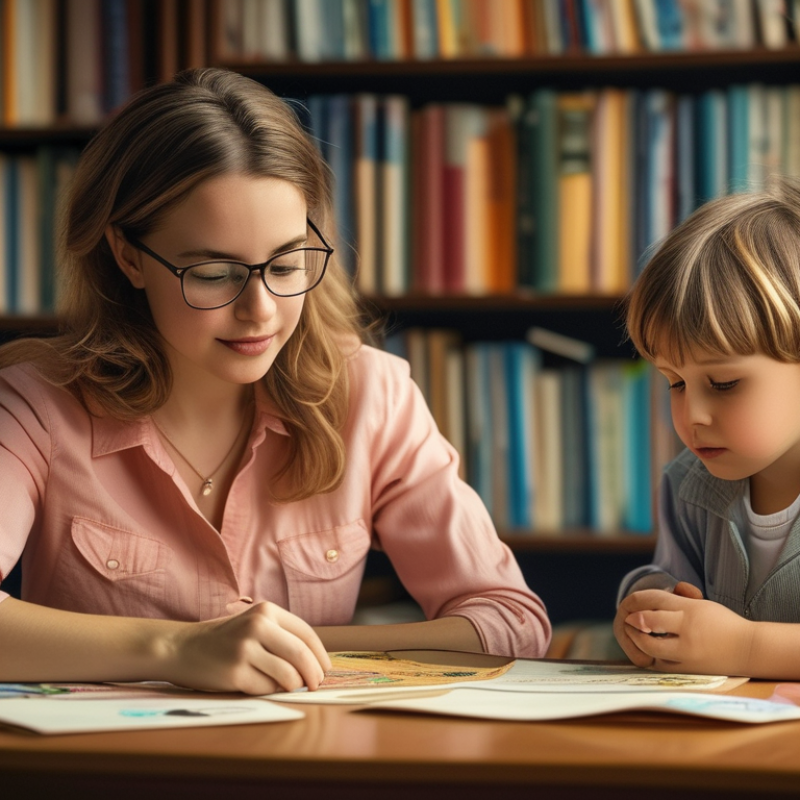
Play-based learning has emerged as a vital approach for child development. It fosters key skills in areas like social interaction and problem-solving. According to a study by the American Academy of Pediatrics, children learn best when they engage in play. This method is not merely a fun activity; it is a powerful educational tool.
Research shows that play helps enhance cognitive abilities. Children who participate in play-based activities demonstrate a 30% higher retention rate of information. Engaging in imaginative scenarios allows kids to explore concepts in real-life contexts. For instance, pretending to run a store teaches basic math and economics. Yet, many caregivers overlook this approach, focusing instead on traditional methods.
It is crucial to recognize that not all play is beneficial. Passive activities, like mindless screen time, offer minimal educational value. Observing how children respond to different play activities can guide improvements in learning environments. Striking a balance between structured learning and playful exploration is essential. Embracing imperfections in this process leads to better strategies that support learning and creativity.
Unstructured play is crucial for cognitive development. Children learn by exploring their environment freely. Research shows that 70% of brain development occurs before age five. During unstructured play, creativity blossoms. Kids solve problems by experimenting. For instance, building with blocks teaches spatial awareness. This hands-on approach engages their minds vividly.
Studies indicate that children who engage in more unstructured play score higher on problem-solving tests. A report from the American Association of Pediatrics highlights play’s role in developing executive function skills. These skills include working memory and cognitive flexibility. However, in today’s structured environments, kids often miss opportunities to explore freely. Structured activities may limit their ability to think critically. Additionally, children might hesitate to take risks, fearing failure.
Play nurtures resilience. When children overcome obstacles during play, they develop grit. For example, negotiating with peers over game rules enhances social skills. Yet, unstructured play is declining in schools and at home. Parents often prioritize academics over playtime. This shift could jeopardize important learning experiences. Balancing structured learning and free play is vital for holistic development.
Incorporating educational games into learning can significantly enhance engagement and retention. Research shows that children learn best when they are actively involved. A study by the American Psychological Association indicates that play-based learning increases knowledge retention by up to 70%. Engaging children through games can create a fun and motivating environment.
Tip 1: Choose age-appropriate games that align with learning objectives. For example, math games for younger children help reinforce concepts. This approach offers a memorable way to practice skills while keeping interest high.
Another strategy involves using narrative elements in games. A 2020 report from the Joan Ganz Cooney Center highlights that storytelling in educational games improves comprehension. Children relate better to material presented in a story format. Real-life scenarios in games further pique interest, facilitating deeper learning experiences.
Tip 2: Provide opportunities for collaboration through group games. This not only enhances social skills but also encourages problem-solving. As children discuss strategies and share insights, learning becomes a shared journey. While not every game will yield immediate success, the process itself fosters critical thinking and adaptability.
Educational games are more than just play. They are potential gateways to engaging, effective learning experiences. Integrating them thoughtfully can create a well-rounded approach to education.
Creating a stimulating environment for learning through play is essential for engaging young minds. Research indicates that play-based learning significantly enhances cognitive development. According to a report from the National Association for the Education of Young Children, environments rich in interactive play can lead to a 20% increase in problem-solving skills among children.
One effective tip is to incorporate open-ended materials. Items like blocks, fabric scraps, or natural elements can inspire creativity. Children can explore and build without a defined outcome. This freedom promotes critical thinking. Another useful strategy involves setting up diverse learning stations. Each station can focus on different skills, from fine motor skills to social interactions. Rotate activities frequently to maintain interest and engagement.
A crucial element is creating a safe atmosphere. Children must feel secure to explore freely. Consider displaying their artwork prominently. This recognition can boost their confidence and encourage them to take more risks in learning. Facilitators should reflect on how to balance structure and freedom. Too much guidance can stifle creativity, while too little can lead to chaos. Finding that sweet spot requires continuous adjustment.
Play-based activities provide a rich landscape for learning. However, assessing the outcomes of these activities requires careful consideration. It's essential to evaluate both qualitative and quantitative indicators. For instance, observing children during play can reveal their problem-solving skills, social interactions, and emotional responses. These observations can help gauge their developmental progress.
Incorporating tips for effective learning through play enhances this assessment process. One helpful tip is to set specific learning goals before starting play activities. This clarity helps in measuring whether objectives are met. Another approach is to use reflective journaling. Documenting children's behaviors and responses allows educators to track developmental milestones over time. This not only aids in assessment but also encourages deeper engagement in the learning process.
Authenticity in assessment is crucial. It's important to recognize that play does not always lead to immediate, measurable outcomes. Sometimes, children explore ideas without clear direction. This uncertainty can spark creativity, but it may also challenge the way we evaluate success. Balancing structured goals with the fluidity of play can be complex, requiring ongoing reflection and adjustment in teaching strategies. Ultimately, a thoughtful approach to assessing play-based learning will enhance both educational experiences and outcomes.
: Play-based learning is an approach that uses play as an educational tool. It supports child development and key skills.
Play enhances cognitive skills and helps with better information retention. Engaging in imaginative play can improve understanding.
Unstructured play is vital for cognitive growth. It encourages exploration and creativity, aiding problem-solving skills.
Many families focus more on academics than play. Structured activities often limit children's ability to explore freely.
Use open-ended materials to inspire creativity. Set up diverse learning stations for various skills to keep children engaged.
A safe atmosphere allows children to explore. Displaying their work can boost confidence and encourage risk-taking.
Passive activities like excessive screen time offer little educational value. They may hinder children's engagement in active learning.
Balancing structured learning and free play is essential for a child's holistic development and encourages critical thinking.
Overcoming challenges during play helps children build grit. Negotiating rules with peers enhances their social skills and resilience.
Excessive guidance can restrict creativity. Too little structure might lead to chaos, making learning ineffective or unproductive.
In the article "10 Effective Tips to Encourage Learning Through Play," the focus is on how to encourage learning through play by exploring its numerous benefits. Play-based learning fosters creativity, emotional growth, and cognitive development, enabling children to problem-solve and think critically through unstructured play. Incorporating educational games into daily activities is another effective strategy, supported by research findings that highlight their positive impact on engagement and knowledge retention.
Creating a stimulating environment is crucial for facilitators and educators to maximize the potential of play-based learning. By integrating interactive and diverse materials, learning can be enhanced significantly. Finally, measuring success through assessing the learning outcomes from play-based activities helps in refining strategies and ensuring that children are benefitting from their playful experiences. Overall, these approaches collectively provide a roadmap for effectively encouraging learning through play.

Bully Toy