In today's fast-paced world, nurturing critical thinking skills in children has become essential. This is where educational toys play a pivotal role. These toys are not just tools for play; they are gateways to developing analytical skills. Many parents ask, "how do educational toys promote critical thinking?" The answer lies in their interactive design and the challenges they present.
Educational toys engage children's minds in problem-solving activities. They encourage exploration and experimentation, allowing kids to think independently. This hands-on learning approach fosters creativity and innovation. For instance, building blocks can teach concepts of balance and structure, while puzzles enhance logical reasoning.
Moreover, these toys promote collaboration and communication among peers. As children work together, they learn to articulate their thoughts and consider different perspectives. However, not all toys are created equal. It’s crucial for parents to choose toys that align with their child's developmental stage. Ultimately, investing in quality educational toys can significantly influence a child's ability to think critically and creatively.
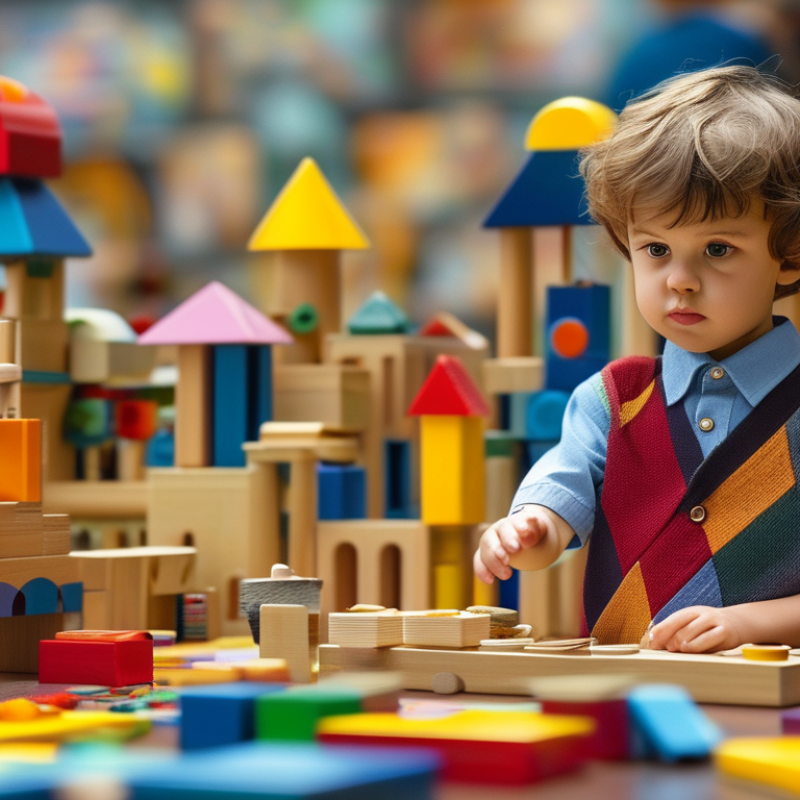
Understanding the Importance of Critical Thinking in Child Development
Critical thinking is essential in a child's development. It shapes how they interpret information and make decisions. Children learn to analyze situations and solve problems through critical thinking. This skill enhances their creativity and independence. Educational toys can play a significant role in this process.
Toys that encourage exploration and experimentation are particularly effective. Building blocks, puzzles, and science kits prompt children to think critically. These toys engage their minds in a hands-on way. They might struggle initially but will learn through trial and error. This process fosters resilience and adaptive thinking. As they solve challenges, they become more confident in their abilities.
Moreover, critical thinking develops communication skills. Children often discuss their ideas and opinions while playing. They learn to listen to others and articulate their thoughts clearly. Educational toys create opportunities for social interaction. Group play can lead to negotiation and teamwork, both vital for success. In these moments, children reflect on their choices and learn from peers.
Types of Educational Toys That Enhance Critical Thinking Abilities
Educational toys play a crucial role in enhancing critical thinking abilities among children. Research indicates that hands-on toys, such as building blocks and puzzles, foster problem-solving skills. According to a survey by the Toy Industry Association, 76% of educators agree that play is essential for cognitive development. This emphasizes the power of interactive play in learning environments.
Types of educational toys that enhance critical thinking include STEM kits and strategy games. STEM kits often focus on science, technology, engineering, and math concepts. These kits encourage experimentation and logical reasoning. Strategy games, on the other hand, require players to think several steps ahead. A study from the American Psychological Association shows that kids who play strategy games perform better in math and critical thinking tasks.
While these toys are beneficial, not all toys guarantee success. It is essential for parents and educators to select appropriate toys that align with children’s interests. Sometimes, children may lose interest quickly or struggle with complex tasks. This can lead to frustration and disengagement. Thus, finding the right balance is key in nurturing critical thinking skills effectively.
Impact of Educational Toys on Critical Thinking Skills
How Interactive Play Promotes Problem-Solving Skills in Children
Interactive play serves as a vital tool in fostering problem-solving skills in children. Engaging with educational toys encourages children to think critically. As they confront various challenges during playtime, their ability to analyze and devise solutions develops. For instance, building blocks can inspire creative thinking, prompting kids to find unique ways to construct structures.
Moreover, role-playing games allow children to step into different scenarios. They must navigate through obstacles and make decisions. This practice enhances their reasoning and decision-making abilities. When faced with a challenge, a child might pause, rethink, and even reassess their approach. Such moments are crucial learning experiences. Children might struggle at times, feeling frustrated, but this is where growth occurs.
Through interactive play, kids learn to communicate and collaborate. They often work in groups, discussing strategies and sharing ideas. This interaction not only builds social skills but also encourages critical thinking. Mistakes made during play provide space for reflection and improvement. These lessons extend beyond the gameplay, shaping how they tackle real-world problems.
The Role of Creativity in Developing Critical Thinking Through Toys
Toys are more than just fun. They can shape creativity and critical thinking. When children play with building blocks, they learn about structure and balance. This exploration encourages them to think outside the box. Each time they create a new design, they engage their imagination. Failure becomes a lesson, not a setback.
Art supplies, such as crayons or clay, also play a vital role. They allow children to express themselves freely. This self-expression often leads to problem-solving. For instance, a child may struggle to mix colors to achieve a desired shade. Such challenges force them to think critically and adapt. They learn to evaluate their mistakes and try again.
The role of creativity in this process is profound. Creative play fosters an environment where questioning is welcomed. Children learn to ask "why" and "how," which sharpens their analytical skills. Each toy presents a new opportunity for exploration. However, it’s essential to encourage reflection on their creative process. This practice nurtures deeper thinking and understanding.
Measuring the Impact of Educational Toys on Cognitive Growth in Kids
Educational toys play a significant role in cognitive growth in children. These toys challenge kids to think critically and solve problems. When children interact with puzzles or building sets, they develop spatial awareness and logical reasoning. These types of activities foster creativity and innovation. Engaging with educational toys can be a fun way for kids to grasp complex concepts. They learn by doing and experiencing.
Research indicates that regular play with educational toys enhances memory and attention span. Kids who explore these toys often show improved concentration levels. This is crucial for their academic success later on. They learn to strategize and plan their moves, which builds resilience. However, access to diverse toys is not universal. It is essential to think about how to provide such opportunities for all children.
Parents and educators should observe how kids interact with these toys. Some children may struggle initially but improve with encouragement. Reflecting on these challenges can inform better crafting of learning experiences. Overall, the impact of educational toys on cognitive development is profound and deserving of attention. Ensuring that every child has access to these resources can aid in fostering a generation of critical thinkers.
10 Tips on How Educational Toys Boost Critical Thinking Skills
| Tip Number |
Tip Description |
Cognitive Skill Developed |
Age Group |
| 1 |
Encourage problem-solving with puzzles. |
Problem-Solving |
3-5 years |
| 2 |
Utilize building blocks for creative construction. |
Creativity |
2-6 years |
| 3 |
Introduce coding games to enhance logic. |
Logical Thinking |
6-10 years |
| 4 |
Play strategy board games to foster planning. |
Strategic Thinking |
7-12 years |
| 5 |
Encourage role-playing toys to simulate real-life scenarios. |
Social Skills |
3-7 years |
| 6 |
Explore science kits to stimulate inquiry. |
Inquiry-Based Learning |
9-14 years |
| 7 |
Use memory games to enhance recall skills. |
Memory |
3-8 years |
| 8 |
Introduce art supplies to promote self-expression. |
Self-Expression |
2-8 years |
| 9 |
Engage in construction sets to improve spatial skills. |
Spatial Awareness |
5-10 years |
| 10 |
Promote outdoor games for teamwork and collaboration. |
Collaboration |
4-12 years |
FAQS
: Critical thinking helps children interpret information and make decisions. It promotes analysis and problem-solving skills.
Educational toys encourage exploration and experimentation. They prompt hands-on engagement and innovative thinking.
Building blocks, puzzles, and science kits are effective. They challenge children, fostering resilience and adaptive thinking.
Yes, failure becomes a lesson. It boosts confidence as children learn to solve challenges through trial and error.
Children discuss ideas while playing. They learn to articulate thoughts and listen to others, enhancing social interaction.
Creativity encourages children to ask questions and explore new ideas. It sharpens their analytical skills through imaginative play.
Art supplies let children express themselves. Challenges in mixing colors require critical thinking and adaptation.
Yes, encouraging reflection nurtures deeper thinking. It allows children to evaluate their creative process and learn from it.
No, each child is different. Some may struggle more, which is a natural part of their development, requiring patience.
Group play fosters negotiation and teamwork. Children learn from peers, reflecting on choices and building critical perspectives.
Conclusion
Educational toys play a crucial role in enhancing children's critical thinking skills, which are vital for their overall development. By understanding the importance of critical thinking, parents and educators can choose toys that specifically foster these abilities. Various types of educational toys, such as puzzles, building sets, and STEM kits, encourage interactive play, which is essential for promoting problem-solving skills in children. Engaging with these toys not only stimulates cognitive growth but also nurtures creativity, allowing children to explore solutions in innovative ways.
In exploring how do educational toys promote critical thinking, it becomes evident that they provide environments where children can experiment and learn from their mistakes. These toys often require children to use logic and reasoning, which further enhances their analytical skills and cognitive abilities. By measuring the impact of these toys, it is clear that they play an essential role in preparing children for future challenges by developing robust critical thinking capabilities.

 Bully Toy