What Makes a Toy Educational for 2026 Best Choices?

Time:2026-06-22 Author:Charlotte
0%

In an ever-evolving world, parents are increasingly focused on selecting toys that offer educational value. Understanding "what makes a toy educational" involves looking beyond mere entertainment. Dr. Lisa Hartman, an educational psychologist, emphasizes, "A truly educational toy engages children’s curiosity and promotes critical thinking."

Educational toys should stimulate creativity and problem-solving skills. They must encourage children to explore and learn in a hands-on way. For example, building blocks enhance spatial awareness and improve fine motor skills. Yet, not all toys marketed as educational are equally effective. Some may simply entertain without fostering learning, leading to confusion for parents.

As the market grows, the challenge lies in distinguishing genuinely educational products. Parents should consider each toy’s potential for engagement and learning. The right choice can lead to meaningful interactions, promoting growth and development. However, it is crucial to reflect on what truly enhances a child’s learning experience.
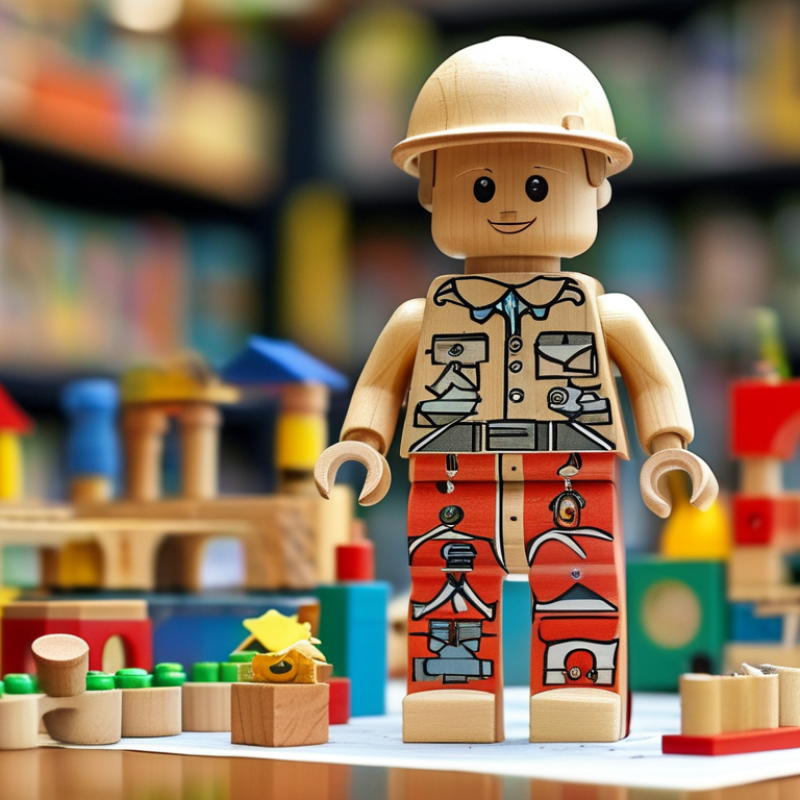
What Makes a Toy Educational for 2026 Best Choices?

Characteristics of Educational Toys: A Multifaceted Approach

Educational toys are designed to engage children in a way that fosters learning. A multifaceted approach focuses on several key characteristics. These toys encourage creativity, critical thinking, and problem-solving skills. According to the Toy Industry Association, 85% of a child's brain develops by age three. Therefore, the choice of toys during this period is crucial.

Hands-on activities are essential. Toys that allow for exploration and experimentation can significantly enhance a child's understanding of concepts. For example, STEM-based toys have shown to improve children’s math and science skills by up to 30%, according to a report by the Education Development Center. This statistic highlights the growing demand for toys that promote these essential skills.

Another aspect is social interaction. Toys that promote collaborative play can teach children valuable communication skills. However, not all educational toys succeed in this area. Some toys may be too complex or fail to engage children. Engaging in reflection can help identify which features work best. The goal is to ensure that toys not only entertain but also educate effectively.

Children react differently to various stimuli. Thus, diversity in educational toys can cater to varying interests and learning styles. Balancing fun with learning is key, but not without its challenges. The right combination can foster curiosity and a lifelong love of learning.

Cognitive Development: Enhancing Learning Through Play

When selecting a toy for education, cognitive development stands at the forefront. It enhances how children learn through play, unlocking pathways for critical thinking. Toys like puzzles or building blocks foster problem-solving skills and creativity. These play experiences encourage exploration and innovation, essential elements in today’s fast-paced world.

In 2026, the best educational toys will blend fun with learning. Simple toys can spark complex ideas. For instance, a basic shape sorter helps children recognize patterns, an important cognitive skill. However, the challenge often lies in identifying toys that balance education and enjoyment. Children want to play, not merely learn. Thus, the toy's design should captivate their interest.

Not all toys will resonate with every child. Each child’s interests and learning styles differ. A toy that captivates one may not engage another. This non-universality reminds us that the best educational choices must consider individual differences. Ultimately, fostering cognitive development through play is about more than just the toy itself; it is about the experiences and interactions that individual children create.

Social Skills: The Role of Collaborative Toy Experiences

Collaborative play is crucial for developing social skills in children. Research from the American Academy of Pediatrics highlights that children learn to communicate, negotiate, and resolve conflicts during playtime. Toys that encourage teamwork can significantly enhance these skills. For example, blocks or puzzles that require multiple users promote communication and problem-solving.

Studies show that children engaged in collaborative toys experience an increase in empathy and sharing. A report from the Journal of Educational Psychology reveals that children who play together are 75% more likely to exhibit positive social behaviors. This indicates that shared toy experiences are not just fun, but essential for cognitive development.

However, choosing the right toys can be challenging. Some toys that claim to foster collaboration may not genuinely enhance interaction. Parents should look for items that naturally invite participation. Toys that are too complex may frustrate children, reducing their willingness to engage with peers. It’s about finding a balance that encourages cooperation without overwhelming young players. Parents must remain skeptical and thoughtful about their choices to ensure toys fulfill their educational promises.

Creativity and Imagination: Toys that Foster Innovation

Toys that foster creativity and imagination are crucial for child development. In 2026, the best educational toys will embrace these qualities. They should encourage open-ended play, allowing kids to explore multiple outcomes. Unstructured playtime helps children develop critical thinking. It sparks their curiosity and encourages innovative problem-solving.

Imagine a toy that transforms with the child’s ideas. It can change shapes, colors, or even functions based on their imagination. Such a toy nurtures creative expression. Kids can build cities, vehicles, or even abstract art pieces. Each play session becomes a new adventure. These experiences help them learn about design and engineering informally.

However, not every toy hits the mark. Sometimes, toys are too structured. They may guide play too rigidly, stifling creativity. It’s essential to choose toys that offer balance. They should provide just enough direction while leaving room for imagination. Encouraging original thought sometimes requires stepping back and allowing kids to make their own mistakes. That is where true learning occurs.

What Makes a Toy Educational for 2026 Best Choices? - Creativity and Imagination: Toys that Foster Innovation

Toy Name Age Range Creativity Level Educational Focus Innovation Features
Building Blocks 2+ High Spatial Awareness Interlocking Design
Art & Craft Set 4+ Very High Creativity & Expression Variety of Materials
Robotics Kit 8+ High STEM Learning Programmable Functions
Puzzle Games 6+ Medium Problem Solving Variety of Challenges
Musical Instruments 3+ High Creativity & Rhythm Interactive Features

Safety and Durability: Ensuring Quality in Educational Playthings

In 2026, the significance of safety and durability in educational toys cannot be overstated. Industry reports indicate that 92% of parents prioritize non-toxic materials in their toy purchases. This reflects a growing awareness about children's health. Parents want toys that foster learning while ensuring safety. Children explore toys through different senses. If a toy breaks easily, it can pose risks. Sharp edges and choking hazards are serious concerns.

Durability is equally important. A recent survey found that over 70% of parents seek long-lasting products. Toys that withstand rough play support repeated use. This can lead to extended learning opportunities. When quality toys are made, they often incorporate elements that engage kids actively. They should be robust enough to survive the wear and tear of daily play.

Yet, not all toys meet these standards. Some products lead to disappointing experiences. Toys can malfunction or lose appeal if they break down quickly. Parents may feel frustrated when a toy fails to engage their child over time. Selecting educational tools requires careful consideration of these factors. Ensuring quality can be challenging in a market flooded with options.

FAQS

: What are educational toys designed to do?

: Educational toys aim to engage children and foster learning through creativity, critical thinking, and problem-solving.

How do hands-on activities enhance learning?

Hands-on activities allow exploration, improving children's understanding of concepts, making learning more effective.

Why is social interaction important in educational toys?

Toys that promote collaborative play teach valuable communication skills, although not all succeed, needing reflection for improvement.

What role does cognitive development play in toy selection?

Cognitive development enhances learning through play, helping unlock critical thinking pathways for children during their growth.

How can unstructured play improve creativity?

Unstructured play encourages kids to explore multiple outcomes, sparking curiosity and innovative problem-solving in a fun way.

Why do some toys not engage every child?

Each child has different interests and learning styles; a toy that excites one may not attract another, reflecting individual differences.

What is the challenge in balancing education and enjoyment in toys?

The challenge lies in finding toys that captivate interest while providing educational value—children want to play, not just learn.

How can toys foster creative expression?

Toys that change form based on a child's ideas allow for creative expression, turning playtime into unique adventures each session.

What should be considered when choosing educational toys?

It's essential to choose toys that offer a balance of direction and freedom, allowing space for imagination while engaging children.

How can reflection help improve toy effectiveness?

Reflection helps identify which features engage children best, guiding improvements for educational toys to better serve their purpose.

Conclusion

In exploring what makes a toy educational, it's essential to adopt a multifaceted approach that highlights key characteristics. Educational toys are designed to promote cognitive development by enhancing learning through interactive play. They encourage critical thinking and problem-solving skills, making learning an enjoyable experience. Additionally, social skills are fostered through collaborative toy experiences, where children learn to communicate, cooperate, and resolve conflicts with peers, thus building essential interpersonal abilities.

Moreover, creativity and imagination are vital components of educational toys. They inspire innovation and self-expression, allowing children to explore their artistic abilities and think outside the box. Equally important is the aspect of safety and durability, ensuring that these toys can withstand everyday use while providing a secure learning environment. Collectively, these elements define what makes a toy educational, paving the way for a holistic development experience for young learners.

Charlotte

Charlotte

Charlotte is a seasoned marketing professional with a deep understanding of the company's portfolio and a passion for elevating its presence in the market. With a keen eye for detail and a commitment to excellence, she ensures that our professional blog is regularly updated with insightful articles......