Choosing the best educational toys for classrooms is not a simple task. It requires careful consideration of children's developmental needs, interests, and learning styles. To navigate this decision effectively, educators and parents must understand how to choose educational toys for classrooms that foster engagement and skill development.
Educational toys should be age-appropriate and align with the curriculum. They should support cognitive, social, and emotional growth. Many options may seem enticing at first glance, but not all will serve their intended purpose. The focus should be on toys that encourage creativity, problem-solving, and collaboration among students.
Moreover, budget constraints often play a role in the selection process. It’s essential to balance quality with cost, making sure that each purchase made is worthwhile. Researching and evaluating the available choices can be time-consuming but is crucial for informed decisions. Remember, investing in the right educational toys can lead to enhanced learning experiences, yet it's important to reflect on the long-term impacts these toys have in the classroom.
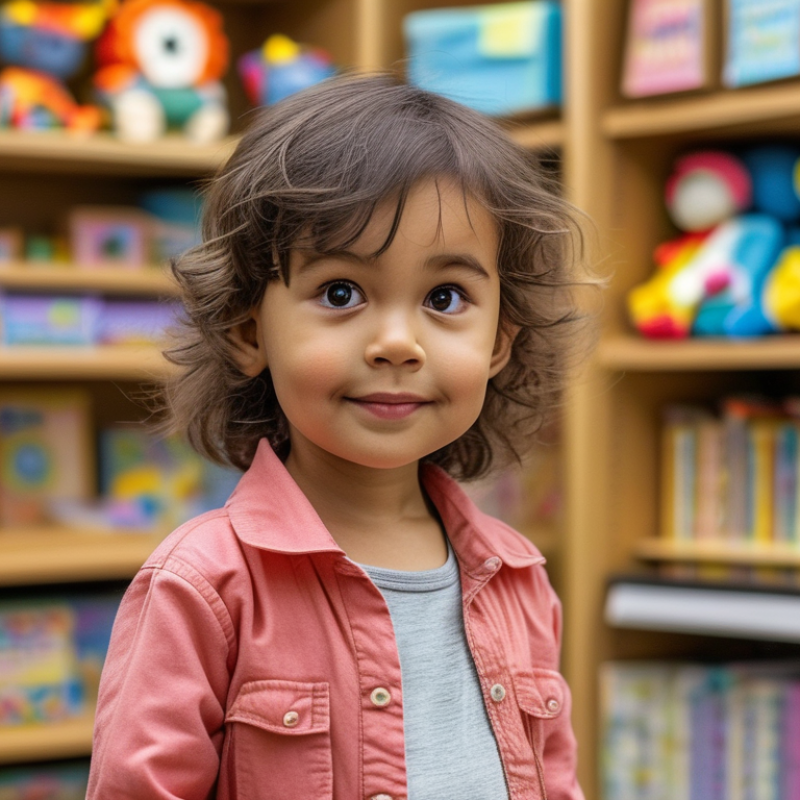
Educational toys play a crucial role in enhancing learning experiences in classrooms. Research from the American Academy of Pediatrics shows that children learn best through play. This approach aids not only cognitive development but also social skills. A well-designed educational toy can engage students, encouraging collaboration and creativity. For instance, hands-on activities allow children to explore concepts in science and math while having fun.
The right educational toys foster essential skills. According to a report by the National Association for the Education of Young Children, interactive toys can improve problem-solving abilities by up to 30%. When children use toys that stimulate critical thinking, they become more adept at tackling challenges. However, not all toys achieve this goal. Some might focus solely on entertainment, missing the educational mark.
Teachers often face challenges in selecting appropriate toys. A lack of resources can hinder the availability of high-quality options. Many educational toys on the market fail to meet developmental standards. Therefore, understanding the educational value of toys is vital. Observing how children interact with toys can also provide valuable insights into their effectiveness.
| Toy Type | Age Group | Educational Benefit | Recommended Duration | Social Skills Development |
|---|---|---|---|---|
| Building Blocks | 3-5 Years | Spatial Awareness, Creativity | 30-60 Minutes | Encourages teamwork when played in groups |
| Puzzles | 4-8 Years | Critical Thinking, Problem Solving | 20-45 Minutes | Promotes collaborative problem solving |
| Art Supplies | 3-10 Years | Creativity, Fine Motor Skills | Varies | Fosters sharing and collaboration |
| Math Games | 6-12 Years | Numeracy, Critical Thinking | 30-50 Minutes | Encourages friendly competition and teamwork |
| Science Kits | 8-12 Years | Scientific Inquiry, Experimentation | 1 Hour or More | Facilitates group discussions and teamwork |
: Play-based learning enhances cognitive development, creativity, and problem-solving skills.
Building blocks encourage children to construct various structures, fostering spatial awareness and critical thinking.
Role-playing toys promote communication skills, emotional understanding, and teamwork among children.
Inclusivity helps diverse learners bond and enhances social skills, creating a sense of belonging in classrooms.
Interactive toys enable all students to participate and improve academic performance while promoting teamwork and cooperation.
Educators should consider the developmental stages and interests of students, ensuring toys cater to various learning styles.
Student feedback ensures that selected toys resonate with their interests, enhancing engagement and ownership of learning.
No, not every toy works for every child; personal preferences and learning styles vary greatly.
Assessing toy effectiveness helps ensure toys meet educational standards and continue to support learning objectives.
The goal is to create an environment where every child feels valued and engaged in meaningful interactions.
When considering how to choose educational toys for classrooms, it is essential to understand their importance in enhancing learning and engagement among students. Educational toys serve not only as tools for play but also as vehicles for critical thinking, creativity, and collaboration in a classroom setting. Key factors to consider include the developmental appropriateness of the toys, their ability to facilitate inclusivity among diverse learners, and the level of interaction they promote among students.
Additionally, evaluating the safety and durability of educational toys is crucial, ensuring that they withstand the rigors of classroom use while posing minimal risk to children. Understanding different types of educational toys and their specific benefits can further aid educators in making informed choices that align with their educational goals. Ultimately, thoughtfully selected educational toys can create a vibrant and supportive learning environment, encouraging all students to thrive.

 Bully Toy