What educational toys are best for preschoolers to learn?

Time:2026-08-05 Author:Sienna
0%

Selecting the right educational toys for preschoolers is crucial for their development. Parents often wonder what educational toys are suitable for preschoolers. These toys can enhance cognitive skills, creativity, and social interactions in young children. By engaging with the right toys, preschoolers can explore new concepts through play.

Educational toys should be safe and age-appropriate. They invite curiosity and foster learning in fun ways. For instance, building blocks stimulate spatial awareness and fine motor skills. Puzzles improve problem-solving abilities and patience. Interactive games, on the other hand, encourage teamwork and communication. However, choosing the best toys can be overwhelming.

It’s essential to consider each child’s interests. Not all preschoolers learn the same way. Some may prefer hands-on activities, while others may thrive on storytelling. Reflecting on these preferences can lead to better toy choices. Ultimately, the best educational toys inspire creativity and keep children engaged.
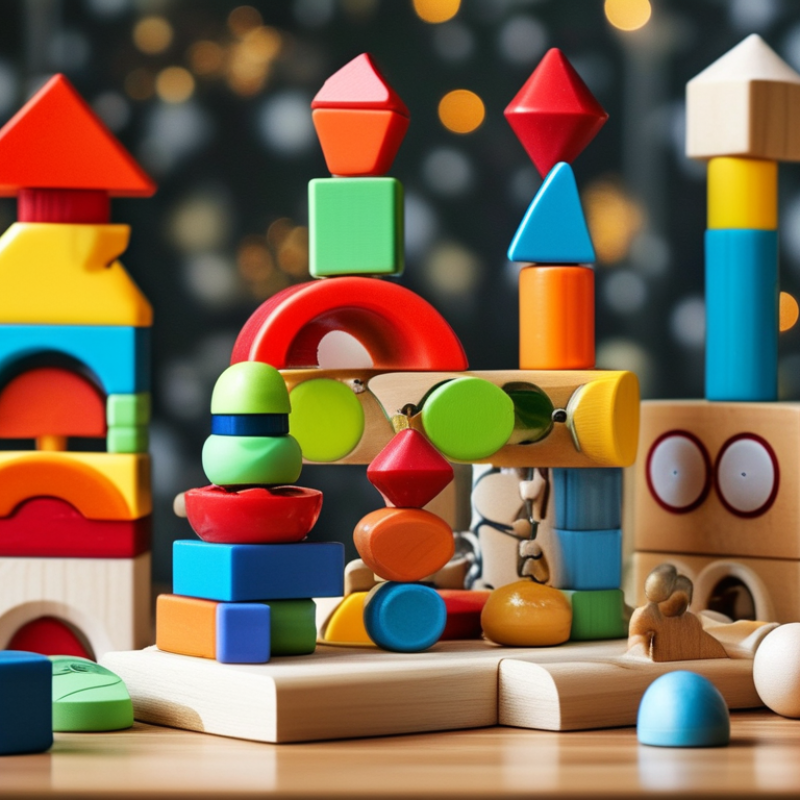
What educational toys are best for preschoolers to learn?

Types of Educational Toys for Preschoolers

When selecting educational toys for preschoolers, consider several categories that foster learning. Building blocks are excellent for developing fine motor skills and spatial awareness. Children can create different structures, encouraging both creativity and problem-solving. Stackable toys allow for exploration in balance and gravity, which can lead to informative playtime discussions.

Art supplies also play a crucial role. Crayons, paints, and playdough help enhance a child's artistic expression. Engaging in these activities can improve hand-eye coordination and stimulate the imagination. Open-ended materials offer children the freedom to experiment. However, supervision is necessary to ensure safe exploration.

STEM toys are essential for early scientific learning. Simple puzzles introduce logic and critical thinking. Science kits can spark curiosity; however, some may find challenging concepts disheartening. It's important to select toys that match a child's interests. Encouragement is vital as they navigate successes and setbacks. Each play experience contributes to their growth and understanding of the world.

Key Learning Skills Developed Through Play

Play is an essential part of preschoolers' development. It helps them learn valuable skills while having fun. Educational toys can boost creativity and critical thinking. They encourage problem-solving through hands-on experience. For instance, building blocks promote spatial awareness and fine motor skills. Children learn how to balance and create structures as they play.

Social interaction is another area where educational toys shine. Games that require teamwork teach sharing and communication. Children learn to express their ideas, taking turns and following rules. These skills are crucial for future classroom environments. Open-ended toys invite imaginative play, allowing kids to explore different roles.

Emotional skills also develop during play. Toys that promote storytelling help children understand emotions and empathy. They learn to navigate their feelings and the feelings of others. Sometimes, children may struggle to share or cooperate, leading to conflict. These situations offer opportunities for growth. Reflecting on these moments strengthens emotional intelligence.

Best Educational Toys for Preschoolers and Key Learning Skills Developed

Age-appropriate Criteria for Selecting Toys

When selecting educational toys for preschoolers, it's crucial to consider age-appropriate criteria. Toys should be safe, non-toxic, and age-suited. Parents often underestimate how small parts can pose risks. Always check labels for safety information. Look for toys that foster creativity and critical thinking. Building blocks or art supplies provide endless ways for kids to express themselves.

Another essential criterion is the toy’s ability to promote social interaction. Toys like puzzles or group games encourage cooperation and communication. Montessori-style toys can spark a love for learning. However, not all toys will captivate every child. Some children may show little interest. Observing your child's reaction to different toys is vital.

Finally, versatility matters significantly. A single toy that can create multiple play scenarios often holds a child's attention longer. Open-ended toys like basic shapes or role-play figures can lead to imaginative play. Yet, it's also important to reflect on what types of play your child enjoys. This insight will guide you toward making better choices, even if it takes some time.

Benefits of Hands-on Learning with Educational Toys

Hands-on learning is critical for preschoolers. Research shows children learn more effectively through active engagement. According to a study by the National Association for the Education of Young Children (NAEYC), 80% of early childhood educators favor tactile learning experiences. Educational toys foster this engagement. They allow children to explore, manipulate, and understand their environment. Toys that promote problem-solving skills have shown to improve cognitive development significantly.

For example, building blocks enhance spatial awareness and motor skills. They also encourage creativity, as children can design anything they imagine. A report from the American Academy of Pediatrics states that interactive play leads to higher retention of concepts and improved social skills. Even simple activities, like sorting toys by color, can aid in developing early math skills.

However, it's essential to choose the right toys. Not all toys provide the same developmental benefits. Some may overstimulate or lack educational value. Therefore, careful selection is crucial. Parents and educators should seek toys that encourage exploration, collaboration, and creativity while being mindful of the child's interests and developmental stage.

What educational toys are best for preschoolers to learn? - Benefits of Hands-on Learning with Educational Toys

Toy Type Age Range Skills Developed Benefits
Building Blocks 3-5 years Fine Motor Skills, Spatial Awareness Encourages creativity and problem-solving.
Puzzles 3-5 years Cognitive Skills, Hand-Eye Coordination Enhances critical thinking and concentration.
Art Supplies 3-5 years Creativity, Expression Stimulates imaginative thinking and self-expression.
Counting Games 3-5 years Numeracy Skills, Logical Thinking Promotes early math skills in a fun way.
Role Play Sets 3-5 years Social Skills, Language Development Encourages communication and social interaction.

Popular Brands and Recommendations in the Market

When choosing educational toys for preschoolers, the market offers a wide range. Research indicates that children aged three to five benefit significantly from hands-on learning. These toys promote cognitive development and fine motor skills. According to a report from the Toy Association, about 85% of early childhood educators recommend interactive toys that encourage creativity.

Popular choices include building blocks and puzzles. Building blocks enhance spatial awareness and problem-solving skills. Puzzles improve logical thinking and hand-eye coordination. Surprisingly, many parents overlook outdoor play equipment. Outdoor toys can stimulate physical activity and group interaction. Evidence suggests that children engaged in active play are more likely to develop social skills.

Quality matters when selecting toys. Look for items that meet safety standards and age recommendations. Many parents find themselves confused by product ratings. Research shows that toys with educational value tend to promote longer playtime. However, not all toys labeled “educational” provide substantial benefits. Always consider your child’s interests and learning pace when making a decision.

FAQS

: Why is play important for preschoolers?

: Play helps preschoolers learn valuable skills while having fun. It promotes creativity and critical thinking.

How do educational toys aid in problem-solving?

Educational toys offer hands-on experiences, allowing children to explore and tackle challenges directly, enhancing their problem-solving skills.

What social skills do children develop through play?

Play encourages sharing, teamwork, and communication. Children learn to express ideas and follow rules, which are vital for later schooling.

Can play affect emotional development?

Yes, play promotes understanding of emotions. Storytelling toys help children navigate feelings and develop empathy, although conflicts may arise.

What benefits come from hands-on learning?

Hands-on learning engages children actively, leading to better retention of concepts and improved social skills, as noted by various studies.

Are all toys equally beneficial for development?

No, not all toys provide developmental advantages. Some may overstimulate or lack educational value, so selection is key.

How can parents choose the right educational toys?

Parents should look for toys that encourage exploration and creativity while aligning with their child's interests and developmental stage.

What role does imaginative play have in learning?

Imaginative play encourages children to explore different roles and scenarios, fostering creativity and social interaction in a meaningful way.

Do simple activities contribute to learning?

Yes, simple tasks like sorting toys by color can develop early math skills, proving effective in early education.

How can play lead to personal growth?

By reflecting on conflicts during play, children can strengthen their emotional intelligence, an important aspect of personal development.

Conclusion

When considering what educational toys are suitable for preschoolers, it's important to explore various types that can enhance their learning experience. Toys that encourage imaginative play, such as building blocks and pretend play sets, can aid in developing essential skills like problem-solving and creativity. Additionally, interactive toys that focus on literacy, numeracy, and science concepts can further support cognitive development.

Selecting age-appropriate toys is crucial; they should align with a child's developmental stage to ensure safety and effectiveness. The benefits of hands-on learning with these educational toys are numerous, as they promote engagement, critical thinking, and social interaction. By choosing the right educational toys, parents can create a stimulating environment that fosters a love for learning in their preschoolers, building a solid foundation for future educational endeavors.

Sienna

Sienna

Sienna is a skilled marketing professional with a deep expertise in our company’s core products and services. With a passion for innovation and detail, she plays a pivotal role in crafting insightful blog posts that not only highlight the unique features of our offerings but also provide valuable......