Hands-on learning toys play a crucial role in child development. Recent studies show that 65% of children learn best through tactile experiences. These toys engage kids in ways traditional methods cannot. So, what are the benefits of hands-on learning toys?
They enhance fine motor skills and cognitive abilities. For instance, building blocks improve spatial awareness and problem-solving skills. In addition, these toys promote creativity and imagination. Children can experiment and explore without fear of failure. This fosters a growth mindset that is essential for lifelong learning.
Moreover, hands-on toys encourage social interaction. When kids play together, they develop communication skills and teamwork. However, not all hands-on toys are effective. Parents should choose high-quality options that align with developmental goals. Balancing play and learning is vital, yet it can be challenging. Understanding what makes a toy educational is key to maximizing benefits.
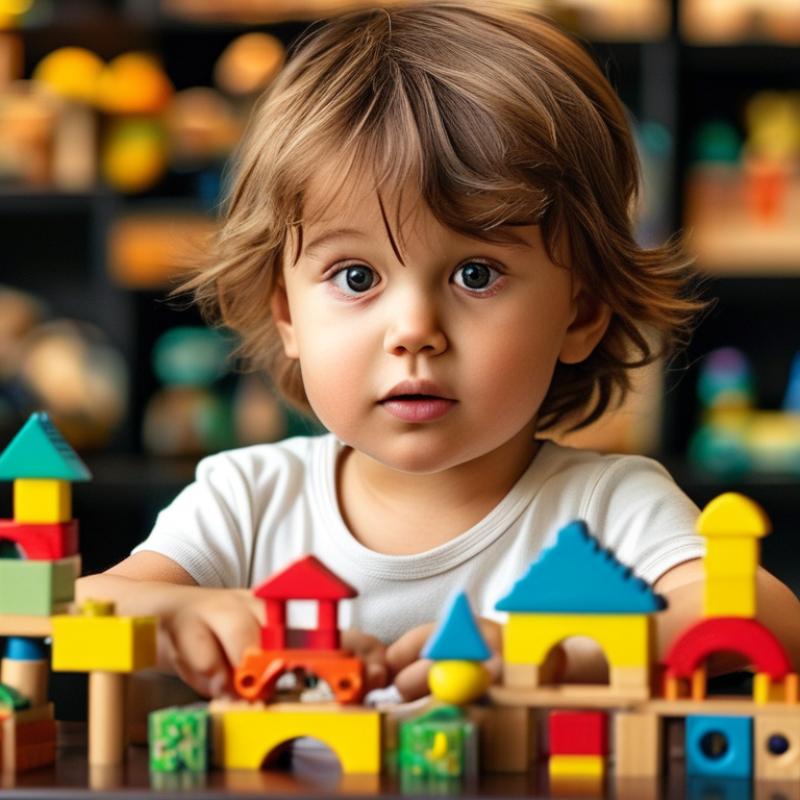
Hands-on learning toys play a crucial role in children's cognitive development. According to the American Academy of Pediatrics, engaging children in tactile play enhances their problem-solving skills. Children manipulate different materials, which encourages curiosity. This interaction fosters critical thinking from an early age.
Research indicates that tactile learning improves memory retention. A study published in the Journal of Educational Psychology shows that kids learn concepts more effectively through physical engagement. For instance, when children build structures or complete puzzles, they visualize spatial relationships. This experience sharpens their analytical abilities.
Moreover, hands-on toys support social skills. Children often share toys during playtime. They negotiate, cooperate, and navigate conflicts. These interactions are essential for building emotional intelligence. However, not every toy promotes these skills equally. Parents must choose wisely, ensuring the toys encourage collaboration.
Hands-on learning toys offer incredible benefits for children's development, especially in enhancing motor skills. Engaging with these toys allows kids to refine their hand-eye coordination and dexterity. For example, building blocks encourage precise movements, fostering fine motor skills. As children grasp, stack, and balance, their fingers develop strength and control.
Interactive learning toys provide immediate feedback. This keeps kids engaged and eager to improve. When a child successfully fits pieces together, they feel a sense of accomplishment. However, some kids may struggle with these tasks initially, which can be frustrating. This moment can propel parents to encourage perseverance. Small challenges lead to bigger rewards.
Sensory experiences are also key. Toys with different textures or sounds captivate children's attention. This engages their senses and promotes exploration. Yet, not every interaction will be perfect. Kids may become overwhelmed or distracted. Parents can guide them back, facilitating a supportive environment. In doing so, they nurture resilience and adaptability in their little ones.
Hands-on learning toys play an essential role in fostering creativity and imagination in children. When kids engage in active play, they use their hands to manipulate objects. This tactile experience sparks new ideas and possibilities. For example, building blocks can inspire children to create unique structures. They might imagine fantastical castles or spaceships. Such creativity flourishes when kids can explore freely.
Through play, children learn valuable problem-solving skills. They may encounter challenges while constructing their designs. Figuring out how to balance a tall tower or connect pieces teaches patience and perseverance. These moments can be frustrating, yet they provide opportunities for reflection and growth. Children learn that mistakes are part of the process. They begin to understand that creativity is not just about perfection but also about exploration.
In group settings, hands-on toys encourage collaboration. Kids share ideas and invite each other into their imaginative worlds. They may brainstorm together on how to build the tallest tower or the most intricate maze. This social aspect enhances their communication skills. However, not every child's imagination flows easily in these situations. Some may hesitate to share their thoughts. This highlights the need to nurture each child's individual creative journey.
| Benefit | Description | Example Toys |
|---|---|---|
| Enhances Creativity | Hands-on learning toys encourage children to explore their imagination and create scenarios. | Building blocks, art sets |
| Develops Problem-Solving Skills | These toys challenge children to think critically and come up with solutions to build or create. | Puzzle games, construction kits |
| Improves Fine Motor Skills | Manipulating small objects helps to refine hand-eye coordination and dexterity. | Art supplies, threading beads |
| Encourages Social Interaction | Playing with others using these toys fosters teamwork and communication skills. | Board games, group craft projects |
| Boosts Self-Esteem | Achieving goals with hands-on learning toys can significantly enhance a child's confidence. | DIY kits, interactive science experiments |
Hands-on learning toys can significantly boost children's social skills and teamwork. These toys encourage kids to work together, solve problems collectively, and build friendships. Through collaborative play, children learn valuable lessons about sharing, communication, and empathy. They become more adept at understanding different perspectives, which is crucial for their emotional development.
When selecting toys, consider those that require teamwork. Building sets, puzzles, and games foster collaboration and discussion. Children learn to negotiate ideas and make compromises as they engage in these activities. Observing them can provide insights into their interpersonal skills.
Tips: Encourage children to express their feelings during playtime. This helps them articulate what they are experiencing. Try integrating playdates where kids can experiment with new toys together. Watch as they navigate challenges and celebrate victories, creating a bond in the process. Remember, not every playtime will go smoothly. Learning to resolve conflicts is also part of the journey.
Hands-on learning toys effectively engage various learning styles in children. According to a report by the National Association for the Education of Young Children (NAEYC), active participation enhances cognitive development. Children who interact with tactile toys exhibit increased problem-solving skills. This shows how sensory experiences can nurture learning.
Visual and auditory learners benefit from toys with colors and sounds. For example, building blocks can attract attention. These toys stimulate visual senses while encouraging creativity. In contrast, children who are kinesthetic learners thrive with toys that require movement. Crafts and building sets allow them to explore concepts physically.
However, it's essential to acknowledge potential difficulties. Not all children respond equally to hands-on toys. Some may become frustrated if a particular toy does not meet their needs. This variability highlights the importance of understanding individual preferences. Diverse learning tools can empower children. Engaging with different types of toys may develop crucial skills, but awareness of each child’s unique style is vital.
: Hands-on learning toys are interactive items that encourage physical engagement and exploration in children.
They enhance problem-solving skills and critical thinking by allowing children to manipulate different materials.
Yes, research shows that children remember concepts better through physical engagement and hands-on experiences.
They improve motor skills, hand-eye coordination, and dexterity through activities like stacking and building.
They promote sharing, negotiation, and conflict resolution during collaborative play, essential for emotional intelligence.
Parents should select toys that require teamwork and interaction to encourage cooperation and communication skills.
By guiding them through distractions and encouraging perseverance when challenges arise during play.
Toys with varied textures and sounds capture attention and promote exploration, but some kids may get overwhelmed.
Expressing emotions helps children articulate their experiences and enhances their social interactions with peers.
No, not every playtime will go smoothly. Learning to resolve conflicts is part of the developmental journey.
Hands-on learning toys offer numerous benefits that significantly impact children's development. One of the primary advantages is their ability to enhance cognitive skills by stimulating critical thinking and problem-solving abilities. Moreover, these interactive toys promote the development of fine motor skills as children manipulate different components, leading to improved coordination and dexterity.
Additionally, what are the benefits of hands-on learning toys in fostering creativity? These toys encourage imaginative play, allowing children to express themselves and explore new ideas. They also facilitate social development by promoting teamwork and communication during group activities, helping children learn the importance of collaboration. Lastly, hands-on learning toys cater to various learning styles, ensuring that every child can engage effectively and enjoyably in their educational journey.

Bully Toy